Winter Wellness Tips for Cats in Philadelphia

Winter Wellness Tips for Cats in Philadelphia
When the chilly winds start swirling through Philadelphia, cat owners face a unique set of challenges in keeping their feline companions healthy and content. Winter can bring everything from dry skin to increased risk of illness, and for indoor cats, the season often means more time curled up inside where hazards like low humidity or boredom can quietly impact their wellbeing. At Liberty Veterinary Clinic, located at 8919 Ridge Avenue, Philadelphia, PA 19128, our veterinary team understands how local weather can affect your cat's health. In this blog, we will explore important signs that your cat may be struggling during winter, explain the most common causes of seasonal problems, and offer practical home care strategies. You will also find guidance on when a visit to your veterinarian is needed, along with tips on how Liberty Veterinary Clinic can help your cat thrive all year round. Whether you live near Roxborough, Manayunk, Andorra, or elsewhere in Philadelphia and surrounding communities, our goal is to provide you with trusted, local advice and support.
Recognizing Winter Wellness Concerns in Cats
Cats are masters at masking discomfort, but winter can bring subtle changes that signal your pet needs extra attention. Key symptoms to watch for during the colder months include dry or flaky skin, increased shedding, sneezing or nasal discharge, and signs of lethargy. Some cats may drink less water, leading to dehydration, or show reduced interest in play as daylight hours shrink. Behavioral changes like hiding more often or seeking out warm places can be normal, yet if your cat seems less social or stops grooming, these may be early indicators of a health issue. In homes where the heating system runs frequently, static electricity can make your cat’s coat appear more unkempt, and itchy skin may cause more scratching than usual. Weight gain is another concern, since indoor cats often get less exercise during winter, and some owners may offer extra treats to compensate for shorter walks or outdoor time. If you notice any of these signs, it is important to monitor your cat closely and consider reaching out to your veterinarian for guidance.
Subtle Signs You Should Not Ignore
Other early warning signs of winter-related stress in cats include changes in litter box habits, such as urinating outside the box, which might be related to stress or urinary tract issues exacerbated by dry air. Cats who develop persistent coughing, labored breathing, or sudden appetite loss should be evaluated promptly, as these symptoms can signal underlying infections or other conditions that are more common when cold weather weakens the immune system.
Why Winter Impacts Cat Health in Philadelphia
Philadelphia winters are known for their cold temperatures, fluctuating humidity, and shorter daylight hours. Even for cats who live exclusively indoors, these seasonal shifts can create a variety of health challenges. The primary causes of winter wellness concerns in cats include dry indoor air caused by central heating, which strips moisture from both skin and respiratory passages. This dryness can aggravate existing skin problems or lead to new ones, while also making cats more susceptible to respiratory infections. Limited sunlight can disrupt natural circadian rhythms, which in turn may impact your cat’s mood and energy levels. Additionally, cold drafts from windows or doors can create uncomfortable microclimates within your home, prompting your cat to seek out unsafely warm places like radiators or heating vents. Another important factor is reduced physical activity; as cats become less playful or adventurous during the winter, weight gain and boredom-related behaviors become more likely. For kittens, seniors, and cats with chronic illnesses, the risks are even higher, underscoring the importance of proactive winter care.
Common Indoor Hazards During Winter
It is not just the weather outside that poses risks. During winter, many households use chemical de-icers, scented candles, or space heaters, all of which can affect cats in unexpected ways. De-icer residue tracked inside may irritate sensitive paws, while strong fragrances or poorly ventilated rooms can cause respiratory discomfort. Be mindful of these environmental changes as you prepare your home for the colder months.
Professional Veterinary Care and Winter Wellness
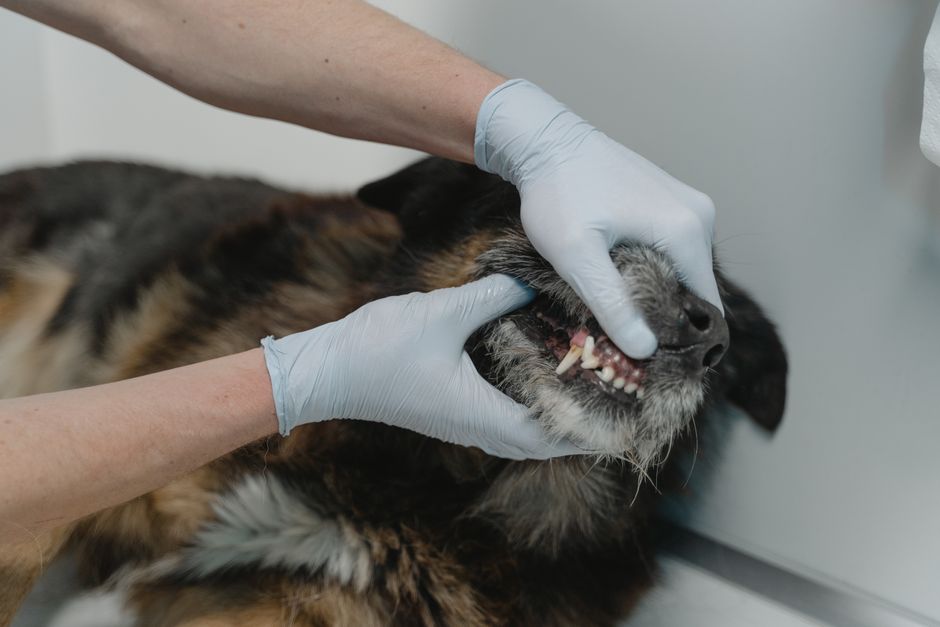
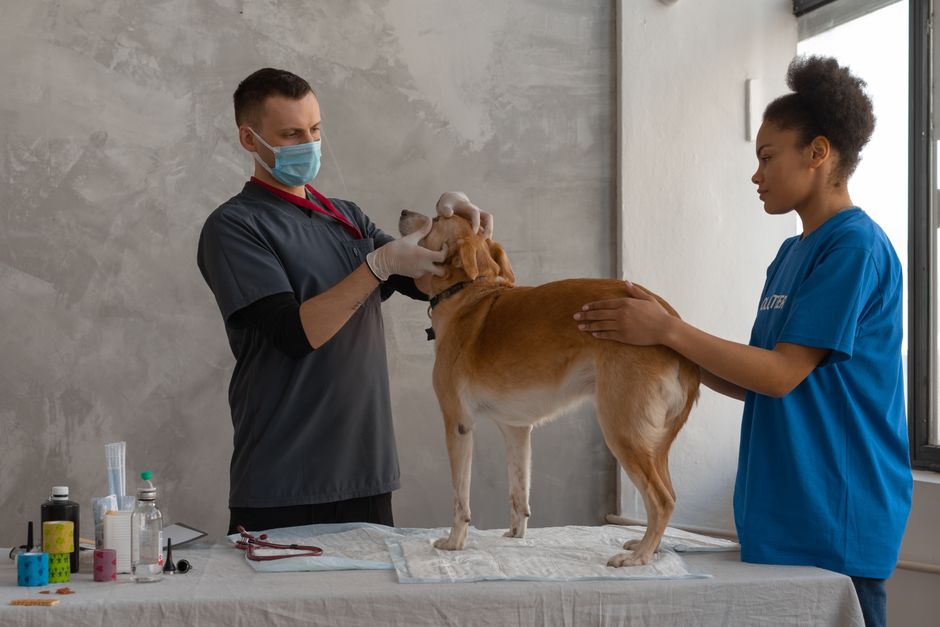
A cornerstone of winter wellness for cats is maintaining routine veterinary checkups, which allow for early detection and management of seasonal health issues. At Liberty Veterinary Clinic, our veterinarians provide comprehensive wellness care to monitor your cat’s overall health, including skin, weight, hydration, and respiratory function. We recommend scheduling a winter wellness examination to check for subtle changes that may not be obvious at home; our team can also answer questions about nutrition, hydration, and behavior adjustments that are specific to the season. If your cat is overdue for vaccinations or parasite prevention, the winter months are an ideal time to review your preventive care plan, as indoor cats remain at risk for certain diseases. Our in-house pharmacy ensures that any prescribed medications or supplements are readily available, and we offer diagnostic services such as laboratory testing or x-rays if your cat shows signs of illness.
Addressing Winter Illnesses and Emergencies
Should your cat develop sudden symptoms like difficulty breathing, persistent vomiting, or severe lethargy, these are considered urgent situations that require immediate veterinary attention. Our veterinary team is equipped to handle a wide range of concerns, and we can also provide referrals to after-hours emergency clinics if needed. You can find more information about emergency veterinary care on our website.
Home Care Strategies to Keep Your Cat Healthy All Winter
There are several practical steps you can take at home to protect your cat’s health during the winter months. Ensuring adequate humidity is crucial; using a humidifier in your cat’s favorite room can help alleviate dry skin and support respiratory comfort. Provide fresh, clean water at all times, and consider using a water fountain to encourage drinking, especially if your cat seems less interested in their bowl. Nutrition plays a key role, so feed a balanced diet and avoid overindulging with treats, even when your cat pleads for extra snacks. Creating cozy, draft-free resting spots away from direct heat sources will help your cat stay warm without risking burns or dehydration. For enrichment, interactive toys, puzzle feeders, and regular play sessions can prevent boredom and promote healthy exercise. Groom your cat regularly to remove loose hair and reduce the risk of hairballs, which can become more problematic when cats groom excessively due to dry skin.
Special Considerations for Kittens and Seniors
Young kittens and older cats are especially vulnerable to winter’s effects. They may have trouble regulating body temperature and are more likely to become dehydrated or develop joint stiffness. Providing extra bedding, encouraging gentle activity, and monitoring for signs of arthritis or discomfort are important steps for these life stages.
When to Contact Your Veterinarian
It is always better to err on the side of caution if you are concerned about your cat’s health. Prompt veterinary care is recommended if you notice persistent sneezing, coughing, or nasal discharge; ongoing vomiting or diarrhea; significant changes in appetite or water intake; unexplained weight loss or gain; or changes in behavior such as hiding, aggression, or withdrawal. If your cat develops any difficulty breathing, sudden collapse, or severe lethargy, seek immediate veterinary attention. For routine concerns or seasonal checkups, our team at Liberty Veterinary Clinic is available to help you schedule an appointment at a convenient time. We are committed to supporting the health of cats throughout Philadelphia and surrounding communities with compassionate, expert care.
Keeping Your Cat Comfortable This Winter: Take Action Today
Winter in Philadelphia can be a magical time, but it also requires extra vigilance to ensure your cat’s health and happiness. By watching for early signs of winter stress, understanding the unique challenges of the season, and taking proactive steps at home, you can help your feline friend enjoy a safe and comfortable winter. Remember that routine wellness care and timely veterinary visits are key to preventing and managing seasonal health concerns. If you are searching for a trusted "vet near me" in Philadelphia, Liberty Veterinary Clinic is here to support your cat’s wellbeing every step of the way. Schedule your cat’s winter wellness examination by calling (215) 483-1066 or visit us at 8919 Ridge Avenue, Philadelphia, PA 19128. Our dedicated team of veterinarians looks forward to helping your cat thrive during the coldest months and beyond. If you have questions about your cat’s health this winter, please reach out or explore our website for more information on our comprehensive wellness care services.
This blog is intended for informational purposes only and does not replace professional veterinary care. If you have concerns about your pet’s health, please contact your veterinarian promptly.