Winter Prep for Pets: Keeping Dogs and Cats Comfortable

Winter Prep for Pets: Keeping Dogs and Cats Comfortable
As late fall gives way to the chill of early winter in Philadelphia, pet owners often find themselves wondering how best to keep their dogs and cats cozy, healthy, and happy. The changing seasons bring unique challenges for pets, from colder temperatures to shorter days and more time spent indoors. At Liberty Veterinary Clinic, located at 8919 Ridge Avenue, Philadelphia, PA 19128, we understand how important it is for families in Philadelphia and surrounding communities to be proactive about winter pet care tips. This blog will guide you through recognizing cold weather risks, understanding why pets’ needs change in winter, and offering practical advice for keeping pets comfortable in winter. Whether you’re new to seasonal pet care or looking to refine your routine, our team of veterinarians is here to help you prepare.
In this post, we will explore the signs that your pet may be struggling with colder weather, discuss why these challenges arise, and provide actionable steps for prevention and home care. We will also outline when it’s time to schedule an appointment with our veterinary professionals. If you have questions about wellness care for your pet as winter approaches, you may find our wellness care services helpful for ongoing support and seasonal adjustments.
Recognizing Cold Weather Risks for Dogs and Cats
Signs Your Pet May Be Uncomfortable in Winter
As temperatures begin to drop in Philadelphia, it’s crucial to pay close attention to how your pet reacts. Signs that your dog or cat is feeling the effects of colder weather can include shivering, reluctance to go outside, increased sleeping, or seeking out warm spots like radiators or sunny patches. Other symptoms of discomfort can involve dry or cracked paw pads, excessive licking of paws, and a dull or flaky coat. For cats who venture outdoors, you may notice that they are spending less time outside or hesitating at the door.
Behavioral changes are also important to note. Some pets may become anxious, vocalize more, or even show signs of stiffness, especially in the mornings or after resting. These issues can be particularly pronounced in older pets or those with chronic health conditions. If you notice any of these symptoms, it could be an indicator that your pet needs extra support to stay comfortable and healthy during winter.
When to Be Especially Alert
Certain pets are more vulnerable to the cold. Puppies and kittens, senior animals, and those with thin coats or certain medical conditions are at greater risk for hypothermia or frostbite. Breeds that are naturally lean or have short hair may struggle more compared to double-coated or larger dogs. In Philadelphia, where winter temperatures can quickly fluctuate, keeping a close eye on these at-risk pets is especially important.
Why Pets’ Needs Change in Winter
The Impact of Philadelphia’s Cold Months on Pet Health
Winter in Philadelphia and surrounding communities brings a mix of freezing temperatures, icy sidewalks, and indoor heating. These environmental changes can cause a variety of issues for pets. Colder air can dry out skin and paws, while spending more time indoors can lead to weight gain or boredom. For older pets or those with arthritis, cold weather often makes joint stiffness and discomfort more pronounced.
Additionally, pets tend to exercise less during winter months, leading to decreased muscle tone and potential weight gain. Less sunlight can also have an impact on your pet’s mood, contributing to lethargy or mild depression in some animals. For pets with chronic illnesses, the stress of temperature changes and reduced activity can exacerbate existing conditions. This is why understanding winter pet care tips tailored to the local climate is vital.
Environmental Hazards and Hidden Dangers
Beyond the obvious chill, winter brings hidden dangers. Rock salt and ice-melting chemicals on sidewalks can irritate or burn paw pads and may be toxic if ingested. Antifreeze spills pose a serious poisoning risk. Drafty homes or poorly insulated areas can create cold spots where pets may not be able to stay warm. Recognizing these risks is the first step toward keeping pets comfortable in winter.
Professional Winter Pet Care in Philadelphia
How Liberty Veterinary Clinic Supports Your Pet’s Winter Health
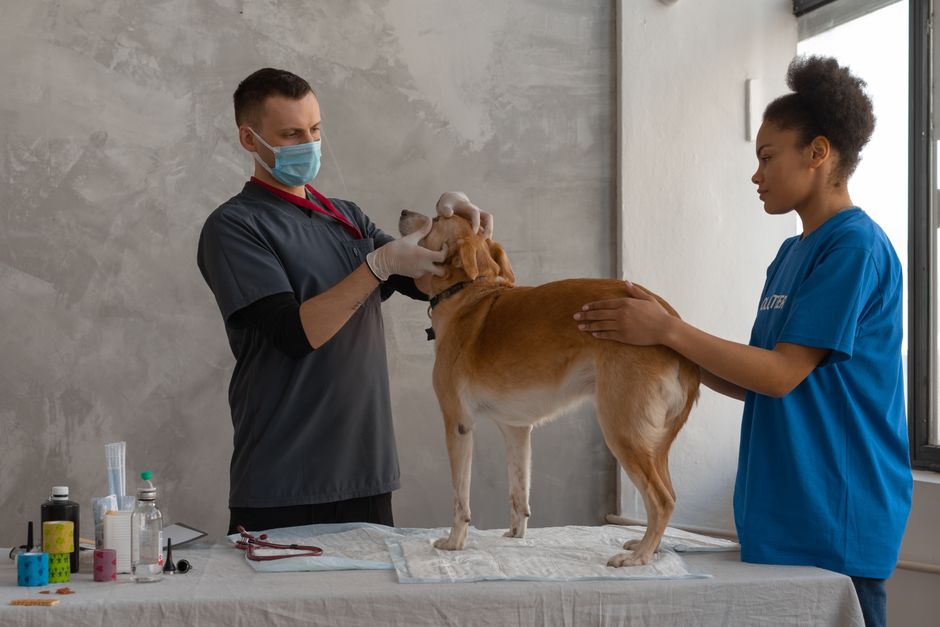
At Liberty Veterinary Clinic, our veterinary professionals offer comprehensive pet care in Philadelphia, including specialized support for seasonal health concerns. Our veterinarians can assess your pet’s overall health with a pet examination, check for early signs of cold-related conditions, and recommend preventive measures tailored to your pet’s breed, age, and lifestyle.
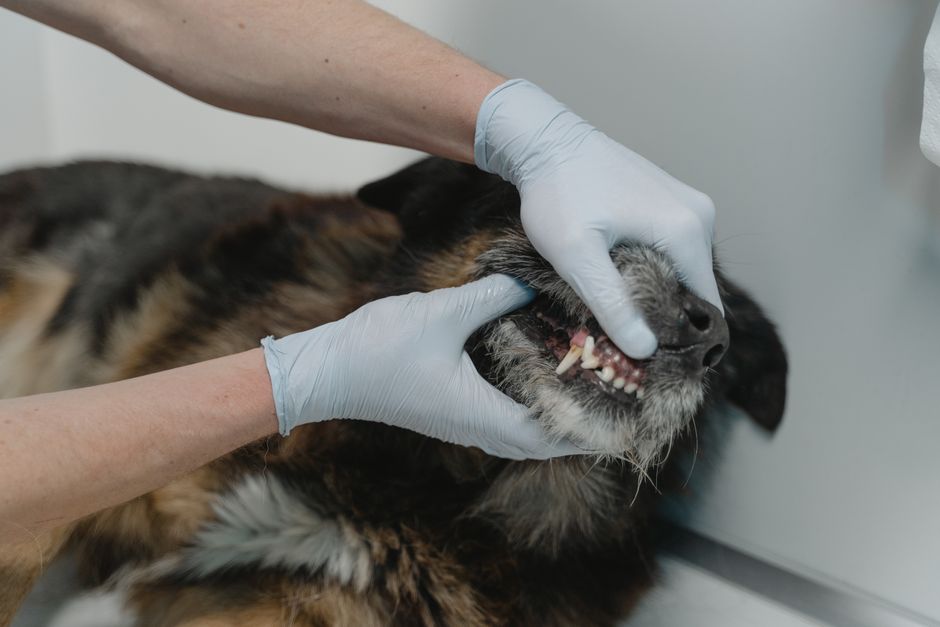
Key aspects of winter veterinary care in Philadelphia include monitoring for arthritis flare-ups, providing guidance on nutritional adjustments, and recommending safe exercise strategies. If your pet has an ongoing medical condition, our team can help adjust medication schedules or suggest physical therapy options to manage winter stiffness. Dental health is another area that can be impacted by dry winter air; our pet dental cleanings can help prevent oral discomfort that might be aggravated by the season.
For pet owners searching for a “vet near me” who understands the unique challenges of winter in Philadelphia, our clinic is dedicated to providing expertise and compassionate support. Our wellness care programs are designed to help prevent seasonal issues before they become serious problems.
The Value of Routine Wellness Visits
Scheduling regular wellness exams during the colder months is one of the best ways to protect your pet’s health. These visits allow our team of veterinarians to identify potential problems early, discuss customized winter pet care tips, and ensure your pet’s vaccinations and parasite preventives are up to date. Routine visits also provide an opportunity to review your pet’s diet, activity level, and home environment, all of which play a role in keeping pets comfortable in winter.
Home Care Tips for Keeping Pets Comfortable in Winter
Creating a Cozy Indoor Environment
To help your pet thrive when the temperature drops, focus on providing warmth and comfort indoors. Make sure your pet has a soft, draft-free bed and access to cozy resting spots away from cold windows or doors. For pets that enjoy sunbathing, arrange their bed near a sunny window when possible. For dogs, drying them thoroughly after walks in wet or snowy weather prevents chills and skin irritation.
Managing humidity in your home is also important. Indoor heating can dry out the air, leading to itchy skin and static in your pet’s coat. Using a humidifier or placing water bowls in different rooms can help increase moisture levels. Checking your pet’s paws after walks, wiping away salt, and using pet-safe balms can prevent cracking and discomfort.
Maintaining Activity and Mental Stimulation
Shorter days and freezing temperatures can limit outdoor playtime, but keeping your pet active is essential for both physical and mental health. Activities such as indoor fetch, interactive toys, or food puzzles keep dogs and cats engaged even when it’s too cold to venture outside. For dogs, shorter but more frequent leash walks during the warmest part of the day can help maintain fitness without risking exposure to the cold.
If your cat is strictly indoors during winter, rotate toys and provide opportunities for climbing and exploration. Scratching posts, window perches, and puzzle feeders can break up the monotony of indoor life. These steps are crucial for pet wellness in Philadelphia, where winter weather can keep pets inside for extended periods.
Nutrition and Hydration
Pets often need slightly more calories in winter, especially if they spend time outdoors. However, it’s important to avoid overfeeding, as decreased activity can lead to weight gain. Work with our veterinary professionals to determine the right balance for your pet. Always ensure your pet has access to fresh, unfrozen water, as dehydration is a risk even in cold weather.
When to Schedule a Veterinary Visit in Winter
Warning Signs Requiring Prompt Attention
Some winter symptoms require more than home care. If your pet shows signs such as ongoing shivering, persistent lethargy, limping, or breathing difficulties, it’s time to seek veterinary care. Other concerning symptoms include refusal to eat, vomiting, diarrhea, or sudden behavioral changes. For cats, hiding for long periods or neglecting their litter box may signal underlying health issues.
Cold weather can exacerbate chronic problems like arthritis or respiratory issues. If you notice increased stiffness, coughing, or worsening mobility in your pet, schedule a consultation with our veterinary team. In cases of suspected poisoning from antifreeze, salt, or other chemicals, seek emergency veterinary care immediately.
How to Access Quality Veterinary Services in Philadelphia
Our team at Liberty Veterinary Clinic is here to support you with professional winter pet care tips and services tailored to the needs of dogs and cats in Philadelphia. To ensure your pet receives the best possible care, schedule an appointment for a seasonal checkup or discuss any concerns you have about keeping pets comfortable in winter. Our experienced veterinarians are committed to providing the highest standard of care, whether you need preventive services or acute treatment.
If you are looking for a “veterinarian near me” who truly understands the winter health needs of pets in Philadelphia, our clinic is ready to help. For additional information on how regular wellness exams can benefit your pet, visit our page on pet examinations and wellness exams.
Your Partner for Winter Pet Care in Philadelphia
As winter settles over Philadelphia and surrounding communities, your pet’s comfort and well-being become even more important. Staying proactive with seasonal adjustments, such as providing a warm environment, encouraging safe exercise, and scheduling timely veterinary checkups, can make a world of difference. Remember, the right winter pet care tips can keep your dog or cat happy and healthy all season long.
If you have questions about winter pet care, or if you would like to schedule your pet’s seasonal wellness visit, our veterinary professionals at Liberty Veterinary Clinic are here to help. Call us at (215) 483-1066 or stop by our convenient location at 8919 Ridge Avenue, Philadelphia, PA 19128 to learn more about how we can support your pet’s health this winter. For those searching online for a “vet near me” or seeking the best veterinary services in Philadelphia, our clinic is dedicated to delivering trusted, compassionate care. You can also explore our wellness care services for ongoing support throughout every season.
Disclaimer: This blog is for informational purposes only and is not a substitute for professional veterinary advice. If you have concerns about your pet’s health or notice any unusual symptoms, always contact your veterinarian for personalized guidance and care.
For additional winter pet care resources, you can visit the American Veterinary Medical Association’s winter safety tips or consult with our veterinary team for local recommendations.