Thanksgiving Safety Tips for Philly Dogs and Cats
Thanksgiving Safety Tips for Philly Dogs and Cats
Thanksgiving in Philadelphia brings together families, friends, and of course, favorite foods. As you prepare for a festive holiday at home, it is important to remember that some Thanksgiving traditions can pose hidden risks for your dogs and cats. At Liberty Veterinary Clinic, located at 8919 Ridge Avenue, Philadelphia, PA 19128, we want your entire family—including your pets—to enjoy a safe and happy holiday. This blog will guide you through the most common Thanksgiving hazards, signs your pet may be in trouble, and practical steps you can take to keep your pets protected. Whether you are hosting dinner in Roxborough, Manayunk, Andorra, or elsewhere in the city, our veterinary team is here to help ensure your dog's or cat's safety throughout the holiday season.
We will cover which Thanksgiving foods can be dangerous for pets, how to minimize stress with extra guests and noise, what symptoms require veterinary attention, and when to reach out for emergency pet care. By the end, you will feel confident about making this Thanksgiving a joyful and safe experience for every member of your household.
Recognizing Thanksgiving Hazards for Dogs and Cats
Thanksgiving celebrations can introduce a range of risks for pets, even if you are careful. From tempting foods left within reach to a flurry of unfamiliar guests, the holiday can be overwhelming for your dog or cat. It is helpful to know what signs to watch for that might indicate your pet has encountered a problem.
Symptoms of trouble after a holiday meal include vomiting, diarrhea, lethargy, panting, restlessness, or sudden loss of appetite. In some cases, you might notice your dog trying to hide, or your cat avoiding contact when they are usually social. Additional warning signs are drooling, coughing or gagging, difficulty breathing, shaking, or any evidence of pain when touched. If your pet shows any of these symptoms during your Thanksgiving festivities, it is time to take a closer look at what they may have eaten or what stressors are present in the environment.
Why Thanksgiving Can Be Dangerous for Dogs and Cats
Thanksgiving presents unique challenges for pet owners because of the abundance of rich, unfamiliar foods and increased activity in the home. Many traditional dishes—while delicious for people—can be harmful or even toxic to dogs and cats. Turkey bones, fatty gravy, onions, garlic, chocolate desserts, grapes, alcohol, and certain spices are common hazards that can cause digestive upset, toxicity, or choking.
Additionally, with guests opening doors, shuffling plates, or leaving food unattended, it becomes easier for pets to sneak a bite of something dangerous. The heightened excitement and noise can also lead to stress or anxiety for your pets, especially if they are not accustomed to large gatherings.
Another concern during Thanksgiving is the risk of pancreatitis, which is a painful and sometimes life-threatening inflammation of the pancreas often triggered by high-fat foods. Dogs are particularly susceptible if they consume fatty table scraps, turkey skin, or buttery side dishes.
Treatment and Management: What Our Veterinary Team Can Do
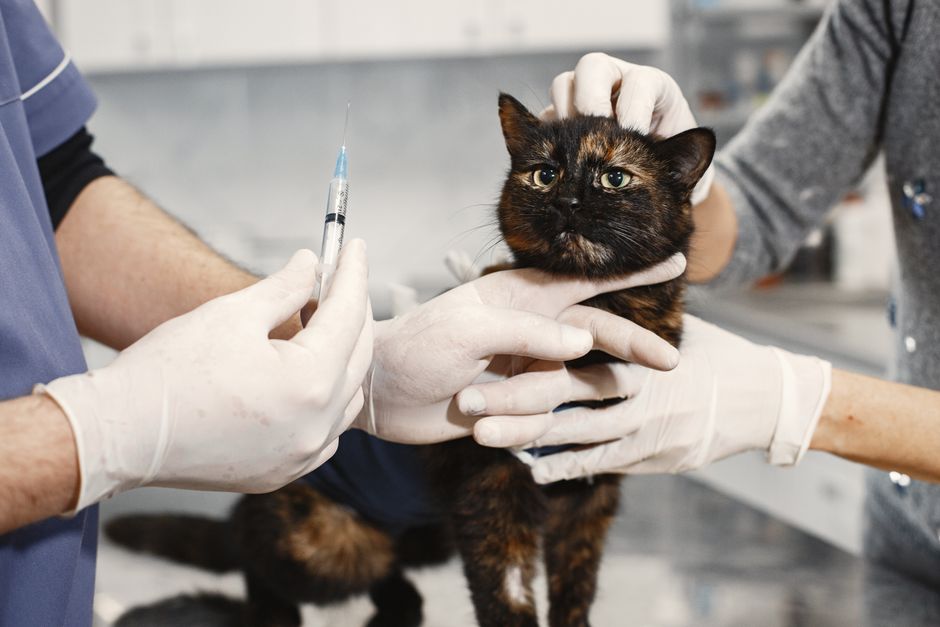
If your pet ingests something harmful or begins showing signs of illness during Thanksgiving, prompt veterinary care is essential. The veterinary team at Liberty Veterinary Clinic is trained to handle a wide range of emergencies, including gastrointestinal upset, toxin ingestion, and trauma from choking or foreign objects.
When you bring your dog or cat for evaluation, our veterinarians will perform a full examination and may recommend diagnostic tests such as bloodwork or x-rays to determine the extent of the problem. Treatment could involve medications to control vomiting or diarrhea, intravenous fluids for dehydration, and in severe cases, hospitalization for supportive care. If your pet has eaten something toxic, we may administer activated charcoal, induce vomiting (if appropriate), or provide antidotes specific to the toxin involved.
For pets experiencing stress or anxiety, our team can advise on strategies to help calm your pet, such as safe spaces, pheromone diffusers, or prescribed medications if needed. The goal is always to stabilize your pet quickly, relieve discomfort, and prevent complications.
If you are unsure about the severity of your pet’s symptoms, you can always refer to our emergency veterinary care information for guidance on what steps to take next.
Prevention: Keeping Your Pets Safe at Home During Thanksgiving
The best way to protect your pets during Thanksgiving is through prevention. Start by keeping all tempting foods and leftovers out of reach, including counters, tables, and trash cans. Remind your guests not to feed your pets from their plates, and consider posting a friendly sign as a reminder.
Create a quiet, comfortable space for your pet to retreat to if the celebration becomes overwhelming. This could be a spare bedroom, a cozy crate, or a favorite spot in another room. Providing familiar toys or bedding helps your dog or cat feel secure.
If you plan to have guests coming and going, make sure your pet's identification is up to date with a collar and microchip, in case they slip out during the commotion. Consider using baby gates or closed doors to keep pets safely contained.
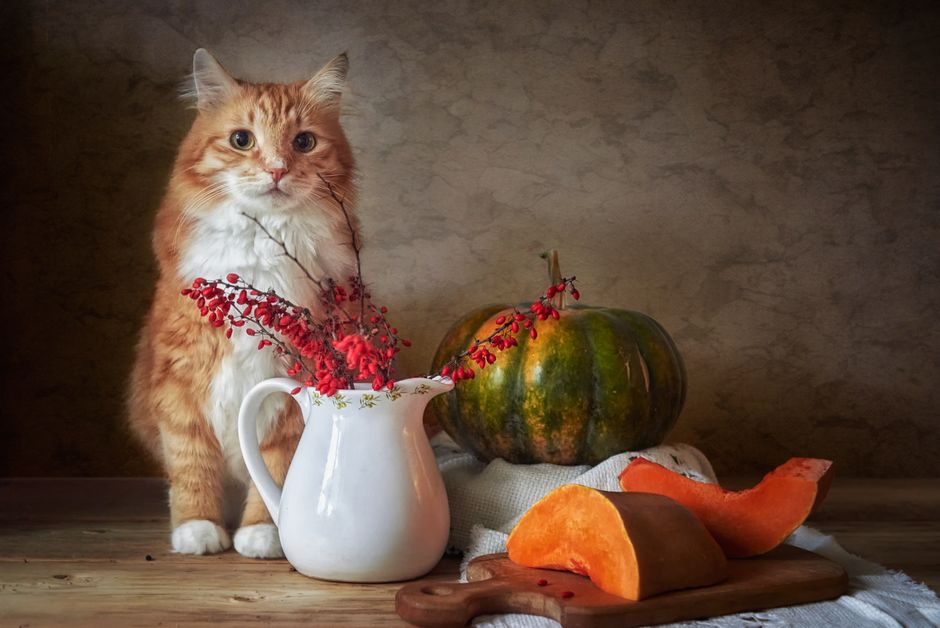
When it comes to treats, offer only pet-safe snacks or chews that you know are safe for your dog or cat. If you want your pet to join in the festivities, prepare a small bowl of plain, cooked turkey breast (without skin or seasoning) or steamed vegetables like carrots or green beans.
For more information on keeping your dog or cat healthy throughout the year, our team also offers comprehensive pet check ups, dental care, and wellness services at our Philadelphia clinic.
When to Seek Veterinary Care During the Holidays
Despite your best efforts, accidents can happen. If your dog or cat eats something questionable, begins vomiting repeatedly, develops diarrhea that does not resolve, or shows signs of pain, lethargy, or distress, it is important to contact your veterinarian right away. Symptoms such as difficulty breathing, collapse, seizures, or inability to stand are always emergencies.
During Thanksgiving, Liberty Veterinary Clinic is available to help with urgent needs during our regular hours. For situations requiring immediate care, our urgent pet care services provide prompt attention for dogs and cats in Philadelphia and surrounding areas.
If your pet experiences an emergency after hours, we recommend reaching out to an after-hours veterinary support resource such as Hickory Veterinary Hospital or Metropolitan Veterinary Associates. It is always better to err on the side of caution and seek help early if you are worried about your pet's health.
Creating a Safe and Happy Thanksgiving for Your Pets
Thanksgiving should be a time of joy for everyone in your household—including your beloved dogs and cats. With a little planning and awareness, you can avoid the most common holiday hazards and ensure your pets are kept safe, happy, and healthy. Remember to keep tempting foods out of reach, provide a calm retreat for your pets if needed, and watch for any signs of illness during the festivities.
If you have questions about Thanksgiving safety, want to schedule a wellness exam, or need urgent care for your pet, our compassionate team of veterinarians at Liberty Veterinary Clinic is here to help. Call us at (215) 483-1066 or visit our location in Philadelphia. When searching for a vet near me, you can trust our team to provide expert, local care for your dogs and cats.
From all of us at Liberty Veterinary Clinic, we wish you and your pets a safe, warm, and wonderful Thanksgiving!