Summer Grooming Tips for Philadelphia Cats and Dogs
Summer Grooming Tips for Philadelphia Cats and Dogs
As temperatures rise and humidity settles over Philadelphia, pet owners often wonder how to keep their dogs and cats comfortable through the height of summer. The hot, muggy weather common to our city can make life tough for pets with thick coats, especially if grooming routines slip during the busy months. At Liberty Veterinary Clinic, conveniently located at 8919 Ridge Avenue, Philadelphia, PA 19128, our veterinary team sees firsthand how proper coat care helps Philly’s pets stay cool, healthy, and happy all season long. In this article, we’ll share expert tips on summer grooming for dogs and cats, how to recognize when your pet needs extra help, and why routine coat maintenance is more than just a matter of appearance. Whether you’re strolling through Wissahickon Valley Park or relaxing at home in Roxborough or Manayunk, these grooming strategies will help your pet beat the heat and avoid common summer skin problems. If you have questions about your pet’s grooming needs or are concerned about their comfort, our team is always here to help with comprehensive wellness care services.
Recognizing When Your Pet Needs Summer Grooming Help
It’s not always easy to tell when your dog or cat is struggling with the heat or uncomfortable because of their coat. Many pets will try to hide discomfort, so it’s important for owners to recognize subtle signs that grooming is overdue or that summer weather is causing trouble. Key symptoms that your pet may need grooming attention include increased panting even at rest, restlessness or trouble settling, more frequent scratching or licking, and visible mats or tangles in the fur. Cats may groom excessively, sometimes creating bald patches, while dogs may develop a dull, greasy, or patchy coat. Other signs to watch for are unpleasant odors, redness or sores on the skin, and a sudden reluctance to play outside or go for walks.
If your pet’s coat feels thick, sticky, or warm to the touch, or if you notice clumps of loose hair around your home, these are also indicators that their grooming needs aren’t being fully met. In severe cases, mats can trap moisture against the skin, leading to hot spots or even skin infections. Remember that short-haired pets are not immune; shedding can accelerate in summer, and undercoats can become impacted without regular brushing. Observing your pet’s behavior and checking their coat regularly are essential steps toward keeping them comfortable during Philadelphia’s peak summer months.
Why Summer Grooming Matters: Understanding the Philadelphia Climate
Philadelphia’s summer brings more than just warmth; high humidity levels can make it difficult for pets to regulate their body temperature. Unlike humans, dogs and cats don’t sweat over most of their bodies; instead, they rely on panting and some evaporation through paw pads to cool down. A well-maintained coat acts as insulation, helping to keep heat out and protect the skin, but when fur is matted or excessively thick, it can trap heat and moisture, making your pet even hotter.
For double-coated breeds like Huskies, Golden Retrievers, or Maine Coon cats, the undercoat becomes particularly dense in winter and naturally sheds out in spring and summer. However, without frequent brushing, this dead hair can remain trapped, causing mats and blocking airflow to the skin. Short-nosed breeds, such as Bulldogs or Persians, are even more at risk for heat stress because they already struggle to breathe efficiently in hot weather.
Outdoor time in parks or city yards increases your pet’s exposure to pollen, dust, and allergens, which can get caught in their fur and contribute to skin irritation. Urban pets may also pick up more debris and dirt, making regular grooming not just a comfort issue but a health necessity. By staying proactive with summer grooming, you help prevent a host of issues, from minor irritations to serious skin infections that can require veterinary attention.
Summer Grooming Techniques for Dogs and Cats
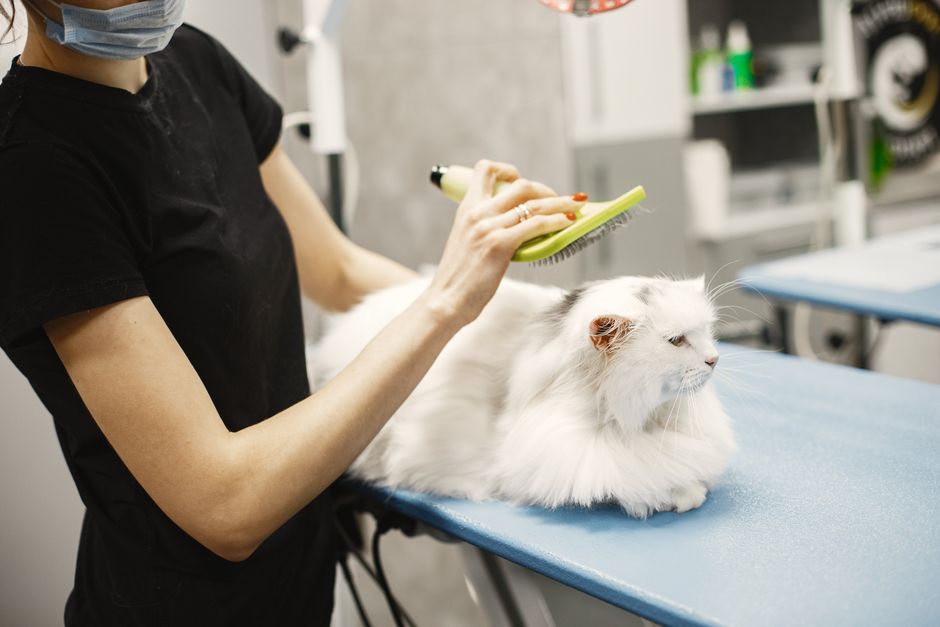
Effective summer grooming is about more than just a haircut; it’s a combination of brushing, bathing, and sometimes strategic trimming, all tailored to your pet’s breed and lifestyle. For most dogs and cats, regular brushing is the cornerstone of good coat care. Brushing at least a few times a week removes loose hair, prevents mats, and distributes natural oils for a shiny, healthy appearance. Long-haired breeds may need daily attention, especially during peak shedding season.
Bathing can be helpful, but it’s important not to overdo it; too-frequent washing can strip away protective oils and lead to dry, itchy skin. For dogs, bathing every four to six weeks is typical, while cats often require less frequent baths unless they’ve gotten into something messy or are unable to groom themselves effectively. Always use pet-specific shampoos, as human products can be harsh and cause skin reactions.
Trimming is sometimes necessary, but it must be approached carefully. Shaving double-coated breeds is not recommended, as their coats are designed to protect them from both heat and sunburn. Instead, focus on removing dead undercoat and lightly trimming areas prone to matting, such as behind the ears, under the legs, and around the tail. For short-haired pets, targeted thinning of problem spots can make a big difference without sacrificing natural insulation.
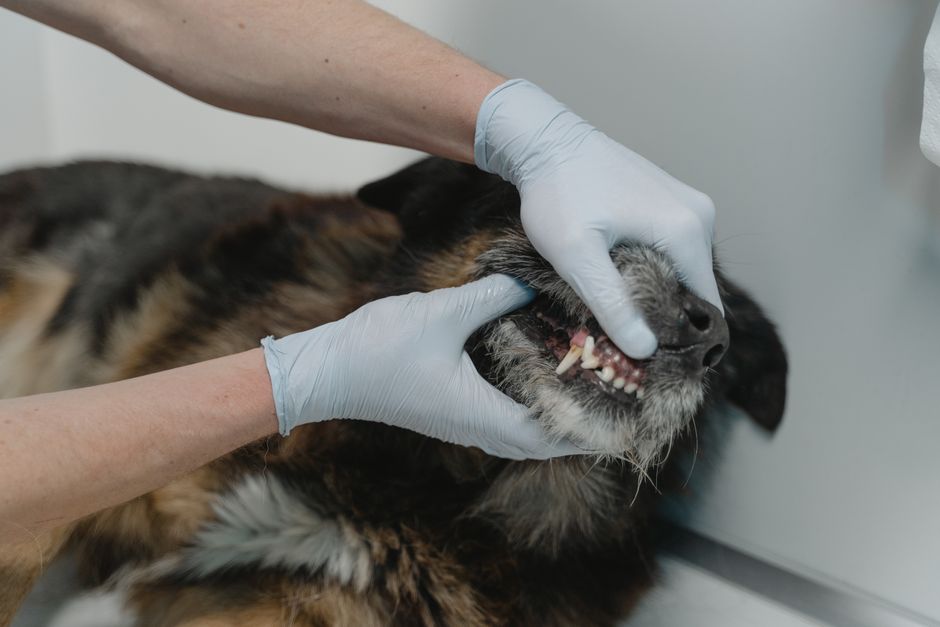
Nail care is another part of summer grooming that shouldn’t be overlooked. Nails tend to grow faster in the warm months, especially if your pet is walking more on grass than pavement. Overgrown nails can make walking uncomfortable and increase the risk of injury. If you notice foul breath or tartar buildup while grooming your pet, it may also be time to schedule a comprehensive pet exam to check for underlying health issues.
Home Coat Care: Preventing Mats and Heat Stress
Keeping your pet’s coat in good condition throughout the summer starts at home. Establishing a regular brushing routine is the most effective way to minimize shedding and prevent mats from forming. For dogs, a slicker brush or undercoat rake can reach through dense fur to pull out dead hair, while cats often benefit from a fine-toothed comb or grooming glove. Start with gentle, short sessions to help your pet get used to the process if they are sensitive.
Pay close attention to problem areas, such as armpits, behind the ears, under the collar, and along the tail. Mats in these spots can quickly worsen and become painful. If you find a mat, avoid trying to cut it out with scissors, as it’s easy to accidentally nick the skin; instead, use a detangling spray and work it out gradually with a comb, or seek professional help.
During the hottest days, limit exercise to early morning or late evening hours and ensure your pet always has access to shade and fresh water. Keep in mind that overgrown coats are insulating but should not be so dense that they trap heat. If you notice your pet is panting more than usual or seems lethargic after being outside, bring them indoors to cool off and monitor closely.
For pets with ongoing skin concerns, such as allergies or chronic itchiness, summer can create flare-ups. Regular grooming helps you spot changes early. If you notice persistent redness, sores, or a bad odor, it may be time to speak with your veterinarian about additional care or medicated shampoos.
When to Seek Professional Veterinary or Grooming Care
While regular home grooming can keep most pets comfortable, there are times when professional help is essential. If your dog or cat has developed severe mats, is showing signs of heat stress, or you notice skin changes that don’t improve with regular care, it’s important to schedule an appointment with your veterinary team. Warning signs that require prompt attention include rapid, excessive panting, drooling, vomiting, collapse, or any difficulty breathing, as these can indicate dangerous heatstroke. Skin infections, open sores, or a sudden change in your pet’s coat texture also warrant a veterinary visit.
At Liberty Veterinary Clinic, our team of veterinarians can assess your pet’s skin and coat health as part of a wellness examination and recommend appropriate treatments, whether that means a prescription for a skin condition, a referral to a professional groomer, or adjustments to your pet’s grooming routine. We are happy to answer your questions about safe summer grooming and support you in keeping your pet healthy all year.
Keeping Your Pet Safe, Cool, and Comfortable All Summer
Philadelphia’s summer weather can be challenging for both pets and their owners, but with the right grooming habits and regular check-ins, you can help your dog or cat stay happy and healthy from July through the final days of heat. Remember that every pet is unique; what works for one breed or individual may not suit another, so it’s always best to tailor your approach and consult with your veterinarian when in doubt.
If you’re searching for a reliable "vet near me" who understands the unique seasonal needs of Philadelphia’s pets, Liberty Veterinary Clinic is here for you. Our veterinary professionals are ready to help with everything from routine grooming guidance to urgent skin and coat concerns. To schedule an appointment or ask about summer grooming tips for your dog or cat, call us at (215) 483-1066 or stop by our location at 8919 Ridge Avenue, Philadelphia, PA 19128. For more information about our wellness care services, visit our website or reach out to our veterinary team today. Your pet’s comfort and health are our top priorities throughout every season.
Disclaimer: This blog is for informational purposes only and does not replace professional veterinary advice. Please consult your veterinarian for guidance specific to your pet’s needs.