Spring Pet Allergy Relief Tips for Philly Cats and Dogs
Spring Pet Allergy Relief Tips for Philly Cats and Dogs
As the vibrant colors of spring return to Philadelphia, many pet owners look forward to more time outdoors with their dogs and the gentle sunbeams their cats love to bask in. However, this season also brings a spike in pollen, mold, and other environmental allergens that can make life uncomfortable for our furry companions. If you have noticed your cat or dog scratching more than usual, licking their paws, or experiencing watery eyes, you are not alone. At Liberty Veterinary Clinic, located at 8919 Ridge Avenue, Philadelphia, PA 19128, we understand how frustrating spring allergies can be for both pets and their families. In this guide, we will help you recognize signs of seasonal allergies in your pets, explain common triggers in the Philadelphia area, discuss treatment options, and offer practical tips for prevention and comfort at home. By working closely with our veterinary team, you can help your dog or cat enjoy a happier, healthier spring.
Recognizing Spring Allergies in Your Cat or Dog
Spring allergies often masquerade as other common skin or ear problems, making them tricky to spot at first. For many dogs, the most noticeable signs include persistent scratching, redness of the skin, or licking and chewing at their paws. Some pets may develop recurrent ear infections, which present as head shaking, ear scratching, or a foul odor from the ears. Cats can show allergies in subtler ways; you may notice them grooming excessively, developing small scabs or bald patches, or sneezing more than usual. Other signs of spring allergies in both cats and dogs include watery or itchy eyes, frequent sneezing, coughing, and even changes in behavior such as restlessness or irritability.
It is important to remember that not every itchy pet is suffering from allergies. Skin parasites, infections, and other medical conditions can cause similar symptoms. If your pet’s symptoms persist for more than a week, worsen, or are accompanied by other health changes like appetite loss or lethargy, it’s time to seek veterinary advice.
Common Spring Allergy Triggers in Philadelphia
While allergies can occur year-round, springtime in Philadelphia brings a surge of environmental allergens that commonly affect both cats and dogs. The most frequent culprits are tree, grass, and weed pollens, which become airborne as plants bloom. Pollen can stick to your pet’s fur and skin during walks, playtime, or even just by lounging near open windows. Mold spores, which thrive in damp conditions after spring rains, are another common trigger in our region, especially for pets who love to dig or roll in the grass.
Household allergens, such as dust mites and certain cleaning products, can also worsen symptoms during the spring as homes are aired out and cleaned. For some pets, allergies may be compounded by flea saliva, so even a single flea bite can trigger intense itching in sensitive animals. Recognizing these triggers is essential for both prevention and effective allergy management.
Professional Allergy Treatment Options at Liberty Veterinary Clinic
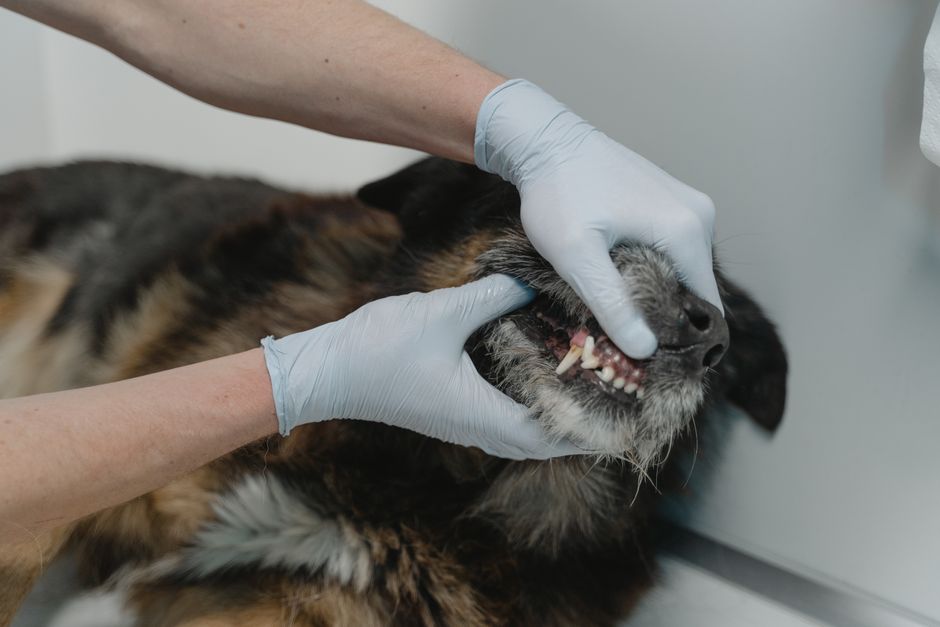
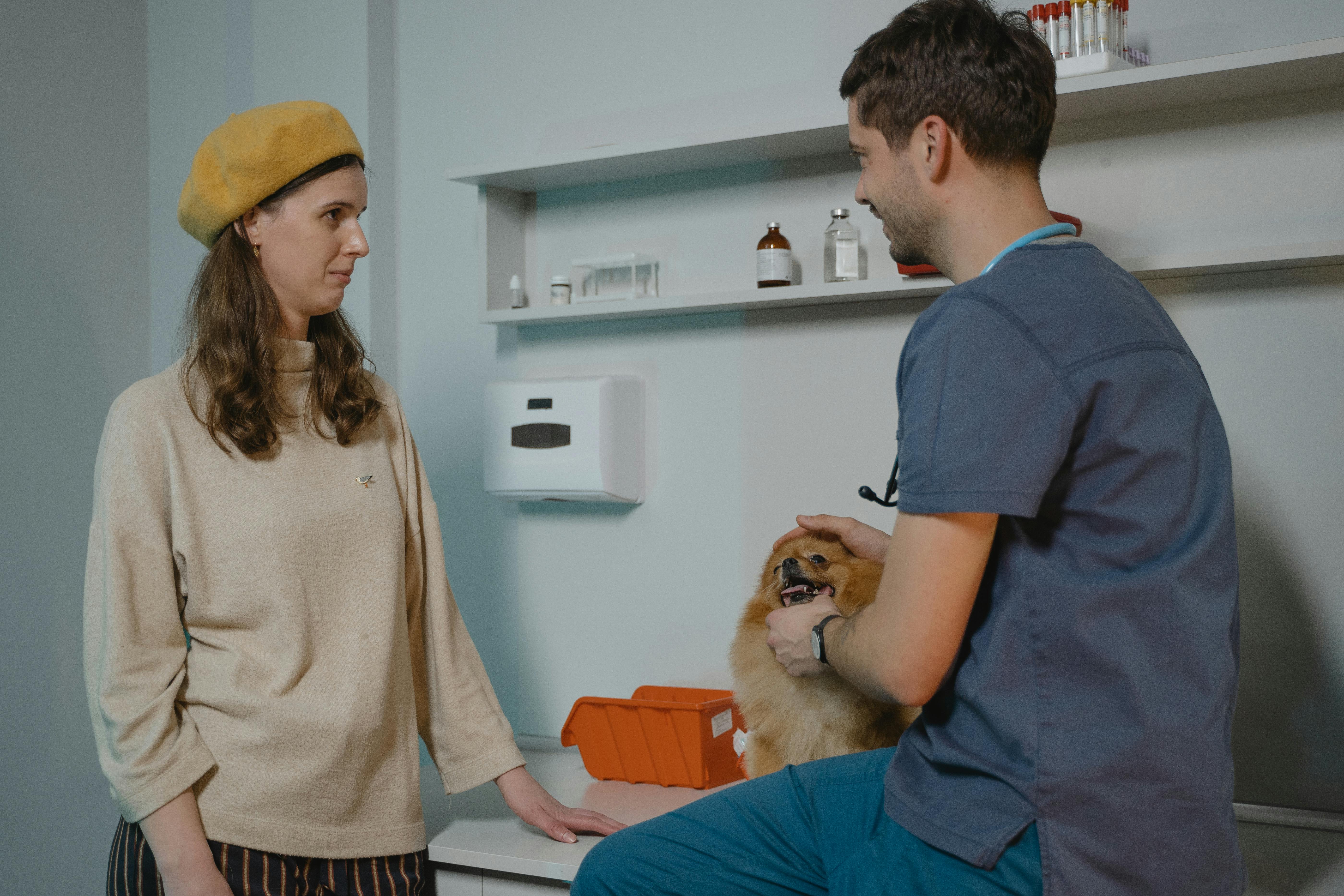
When your pet is struggling with allergies, an individualized treatment plan from our veterinary team is the best way to bring relief and prevent secondary problems. The first step is a thorough wellness examination to rule out other causes of itching, such as skin infections, parasites, or underlying medical issues. Our veterinarians may recommend diagnostic tests, including skin scrapings or bloodwork, to identify the source of your pet’s discomfort.
Treatment approaches for spring allergies often involve a combination of therapies. These can include prescribing oral or topical medications to reduce itching and inflammation, recommending medicated shampoos for soothing skin, and in some cases, using allergy-specific diets or supplements to support your pet’s immune system. For pets with recurrent ear infections, ear cleansers and targeted medications may be provided. If secondary infections are present, antibiotics or antifungal treatments may be necessary. Our team will also discuss ways to minimize allergen exposure for your pet’s unique lifestyle.
For some pets, allergy testing and immunotherapy (allergy shots or oral drops) can provide long-term relief by gradually desensitizing the immune system to specific allergens. This option is particularly helpful for pets with severe or chronic symptoms that do not respond to standard treatments.
Home Care and Prevention Tips for Spring Allergies
While professional care is essential for managing allergies, there are many steps you can take at home to help your pet feel more comfortable this spring. After outdoor activities, wiping your dog’s paws and coat with a damp cloth can remove pollen and reduce exposure. For cats, regular brushing helps to remove allergens from their fur, especially for those who spend time on screened porches or window ledges.
Bathing your dog with a veterinarian-approved hypoallergenic shampoo can soothe irritated skin and wash away allergens. Take care not to over-bathe, as this can dry out the skin. Vacuuming your home frequently, washing your pet’s bedding in hot water, and using air purifiers can also decrease indoor allergen levels. Keeping windows closed during high pollen days and using air conditioning with a clean filter may further reduce exposure.
For flea control, year-round prevention is crucial since flea allergies can be triggered by a single bite. Speak with our veterinary team about safe and effective flea prevention products tailored for your pet’s needs. Additionally, maintaining your pet’s overall health through regular wellness care and up-to-date vaccinations supports a strong immune system, making it easier for your pet to cope with environmental challenges.
When to Schedule a Veterinary Visit
Spring allergies can often be managed at home with diligent care, but certain situations require prompt attention from a veterinarian. If your dog or cat is experiencing intense itching that leads to hair loss or open sores, frequent or severe ear infections, difficulty breathing, swelling of the face or paws, or any signs of distress, it is time to schedule an appointment. Persistent symptoms that do not improve with home care, such as ongoing scratching, chewing, or skin redness, also signal the need for a professional evaluation.
Early intervention not only brings relief to your pet but also helps prevent complications like skin infections, chronic ear disease, and reduced quality of life. Our team at Liberty Veterinary Clinic is here to support you with compassionate, comprehensive care every step of the way.
Why Choose Liberty Veterinary Clinic for Spring Allergy Relief?
At Liberty Veterinary Clinic, we are dedicated to helping Philadelphia’s cats and dogs thrive in every season. Our experienced veterinarians combine advanced diagnostic tools with personalized treatment plans, ensuring your pet receives the highest standard of care. We understand how challenging it can be to see your pet uncomfortable, and we are committed to working with you on both immediate relief and long-term wellness.
Whether you are concerned about new symptoms, need advice on allergy prevention, or want to discuss advanced treatment options, our veterinary professionals are here for you. We proudly serve Philadelphia and surrounding communities, and our convenient location at 8919 Ridge Avenue, Philadelphia, PA 19128 makes us a trusted partner for local pet owners.
If you are searching for a veterinarian near me who truly understands the unique needs of Philly pets, look no further than our supportive team. You can schedule an appointment today by calling (215) 483-1066 or visiting our website at libvetclinic.com. For ongoing health needs, explore our wellness care services and let us help your pet enjoy a comfortable, itch-free spring.
This blog is intended for informational purposes only and should not replace professional veterinary advice. If your pet is experiencing a medical emergency, please contact your veterinarian immediately or seek urgent care.