Spring Pet Allergies: Signs, Prevention, and Care in Philadelphia

Spring Pet Allergies: Signs, Prevention, and Care in Philadelphia
Springtime in Philadelphia brings longer days, blossoming trees, and the promise of outdoor adventures with your pets. However, as flowers bloom and pollen counts rise, many dogs and cats begin to show signs of seasonal allergies. If you have noticed your pet sneezing, scratching, or dealing with watery eyes this March, you are not alone. At Liberty Veterinary Clinic, conveniently located at 8919 Ridge Avenue, Philadelphia, PA 19128, we help local families recognize, manage, and prevent spring allergies in both dogs and cats. This blog will guide you through common allergy symptoms, explain what causes them, and share practical steps you can take to keep your furry companion comfortable all season long. We will also discuss how our veterinary professionals can support you with diagnosis, treatment, and ongoing care when allergies arise. Whether you are in Philadelphia or a nearby community, Liberty Veterinary Clinic is here to help your pet thrive as the seasons change.
Recognizing the Signs: How to Tell If Your Pet Has Spring Allergies
Understanding what spring allergies look like in dogs and cats is the first step in getting your pet the help they need. While some symptoms may seem minor at first, ongoing discomfort can quickly impact your pet’s quality of life. Key symptoms of seasonal allergies in pets include frequent scratching, licking, or chewing at the skin. You might also notice redness around the ears, belly, or paws, along with hair loss or scabs from excessive scratching. Respiratory signs such as sneezing, coughing, or watery eyes may appear, particularly in cats. Additionally, some pets develop ear infections or experience frequent head shaking. Digestive upset, while less common, may also occur in the form of soft stools or vomiting. If your pet seems restless at night, is losing interest in play, or is generally more irritable, underlying allergies could be the cause. These signs can be subtle at first, but persistent discomfort is always worth investigating.
What Causes Spring Allergies in Philadelphia Pets?
Just like their human family members, pets can be sensitive to environmental allergens that are especially prevalent during the spring. In Philadelphia and surrounding areas, the main culprits are tree and grass pollens, mold spores, and dust mites. As trees like maple, oak, and birch release pollen into the air, your dog or cat may inhale these particles or pick them up on their fur and paws during walks or playtime. Rain and humidity can also encourage mold growth, adding another layer of allergens for sensitive pets. Some pets are genetically predisposed to allergies, meaning certain breeds or individuals may be more prone to developing symptoms than others. Factors such as age, overall health, and even your pet’s grooming routine can influence how severely they react. Over time, repeated exposure to these environmental triggers can lead to a chronic allergic response, making spring a particularly challenging season for affected pets.
Treatment and Management: How Liberty Veterinary Clinic Can Help
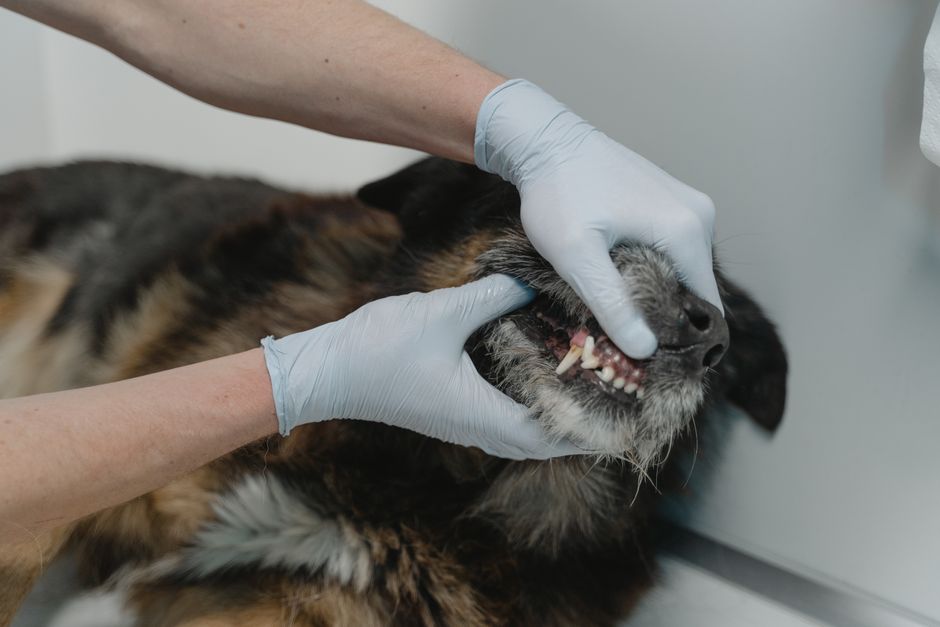
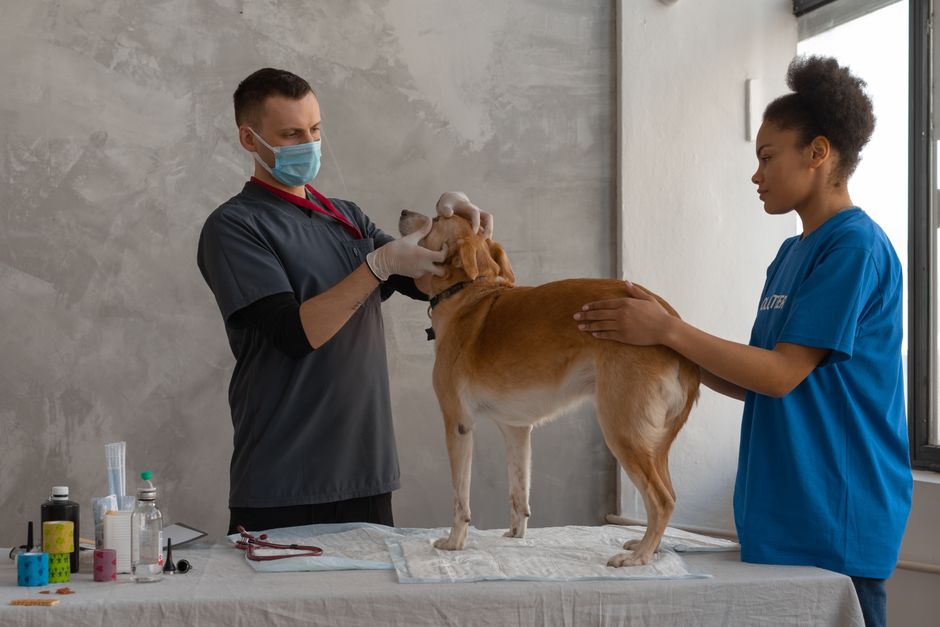
If you suspect your pet is struggling with seasonal allergies, the best course of action is to schedule a visit with our experienced veterinary team. At Liberty Veterinary Clinic, we offer a thorough examination and diagnostic testing to pinpoint the exact cause of your pet’s discomfort. During your pet’s appointment, our veterinarians will review their medical history, perform a physical exam, and may recommend skin or blood tests to rule out other conditions or confirm allergies.
Treatment approaches involve several strategies tailored to your pet’s specific needs. For mild symptoms, simple changes such as regular bathing with hypoallergenic shampoos can help remove allergens from your pet’s coat. In more severe cases, prescription medications like antihistamines, anti-itch relief, or even short courses of corticosteroids may be recommended to control inflammation and itching. Some pets benefit from topical treatments or medicated wipes, especially for irritated paws or ears. For ongoing cases, allergy testing and immunotherapy (allergy shots) may be discussed to build long-term tolerance. Our team can also advise on dietary changes, as some pets with food sensitivities may experience worsening symptoms during allergy season. If your pet develops a secondary infection, such as an ear or skin infection, targeted antibiotics or antifungal medications may be prescribed from our in-house pharmacy for convenience and prompt relief.
Preventing Spring Allergies: Home Care Tips for Pet Owners
While you cannot eliminate pollen or mold from the outdoor environment, there are several practical steps you can take at home to minimize your pet’s exposure and keep allergy symptoms under control. After walks or outdoor play, gently wipe your pet’s paws and coat with a damp cloth to remove pollen and dust. Bathing your pet on a regular schedule, as recommended by our veterinarians, can further reduce allergen buildup. Keeping your home clean—by vacuuming carpets, washing bedding frequently, and using air purifiers—can also make a significant difference in your pet’s comfort. Try to keep windows closed on high pollen days, and limit outdoor activities during early morning or evening hours when pollen counts are highest. For pets with a history of allergies, scheduling a wellness examination before peak allergy season allows our veterinary professionals to catch early signs and adjust your pet’s care plan as needed. In addition, maintaining your pet’s overall health with regular wellness care supports a stronger immune system, helping your furry companion handle seasonal changes more comfortably.
When to Seek Veterinary Care for Spring Allergies
It can be tempting to try managing your pet’s allergy symptoms at home, but there are times when professional help is essential. If your pet is scratching or licking so much that their skin becomes raw or bleeds, or if you notice signs of an ear infection such as head shaking, odor, or discharge, schedule an appointment with our veterinary team promptly. Persistent coughing, wheezing, or difficulty breathing may signal a more serious allergic reaction that requires immediate attention. Additionally, sudden changes in appetite, vomiting, or diarrhea should never be ignored, as these can indicate complications beyond allergies. If your pet’s symptoms are not improving with home care, or if you are unsure about the best course of action, our veterinarians are here to provide expert guidance and support. Timely intervention not only relieves discomfort but also helps prevent complications such as skin infections or chronic inflammation.
Supporting Your Pet’s Health This Spring
Spring allergies do not have to put a damper on your pet’s enjoyment of the season. By staying vigilant for early signs, taking simple preventive steps at home, and partnering with a trusted veterinary team, you can help your dog or cat stay happy and healthy all year long. If you are searching for a veterinarian near me who understands the unique challenges of seasonal allergies in Philadelphia pets, Liberty Veterinary Clinic is ready to assist. Our commitment to comprehensive, compassionate care ensures your pet receives tailored treatment and ongoing support for all their health needs.
If you have questions about spring allergies or would like to schedule an appointment, call us at (215) 483-1066 or visit us in person at 8919 Ridge Avenue, Philadelphia, PA 19128. You can also learn more about our full range of preventive wellness care and wellness examinations online. At Liberty Veterinary Clinic, we are dedicated to helping your pet live their healthiest, happiest life—no matter what the season brings.
This article is for informational purposes only and is not a substitute for professional veterinary advice. If you are concerned about your pet’s health, consult your veterinarian promptly.