Recognizing Lethargy in Pets: When to Schedule a Vet Visit

Recognizing Lethargy in Pets: When to Schedule a Vet Visit
If you have noticed your dog or cat acting more tired than usual, less interested in play, or simply lacking their typical enthusiasm, you are not alone. Lethargy in pets is a common concern among Philadelphia pet owners, and it can be challenging to determine whether your companion just needs a quiet day or if something more serious may be going on. At Liberty Veterinary Clinic, located at 8919 Ridge Avenue, Philadelphia, PA 19128, we understand how alarming it can feel when your pet's energy suddenly dips. Our team of veterinarians is here to help you recognize the signs of lethargy, understand potential causes, and know when it is time to schedule a veterinary appointment.
In this post, we will guide you through the most common symptoms associated with lethargy in pets, explore underlying reasons your dog or cat might be acting tired, and explain how prompt veterinary care and pet diagnostic laboratory services in Philadelphia can make all the difference for your pet’s health. You will also learn about practical steps you can take at home and when it is essential to seek a comprehensive pet exam at Liberty Veterinary Clinic. Our goal is to ensure pet owners in Philadelphia and surrounding communities feel confident and supported when faced with questions about their pet’s well-being.
Understanding Lethargy in Pets: Signs and Symptoms to Watch For
Lethargy in pets can manifest in subtle or obvious ways, and it is important for pet owners to be attentive to changes in their animal’s usual behavior. Key symptoms include a noticeable decrease in activity, reluctance to go for walks or play, and spending more time sleeping than is typical for your pet’s age and breed. Additionally, some pets may ignore their favorite toys or show little interest in food and water. Other signs to watch for are slow movements, an unwillingness to climb stairs, or difficulty getting up from resting positions. In cats, you might notice them hiding more than usual or isolating themselves from family members.
Every pet has their own normal energy level, so what seems lethargic for one animal may be typical for another. The most important factor is a clear change from your pet’s established routine. For example, if your usually energetic dog suddenly spends most of the day lying down, or your playful cat becomes withdrawn, these shifts can indicate an underlying problem. Sometimes, lethargy is accompanied by additional symptoms such as loss of appetite, vomiting, diarrhea, coughing, or labored breathing, which can signal a more urgent need for veterinary care.
Common Causes of Lethargy in Dogs and Cats
Lethargy in pets can result from a range of causes, from mild to potentially life-threatening. Understanding these possibilities can help you make informed decisions about your pet’s health. Mild causes include overexertion from an unusually long walk or play session, hot weather that leads to heat fatigue, or mild digestive upset after eating something new. In these scenarios, your pet may bounce back after a day of rest.
However, persistent or severe lethargy can be a sign of more serious health concerns. Examples of underlying causes include infections such as kennel cough or feline upper respiratory disease, tick-borne illnesses, metabolic conditions like diabetes or hypothyroidism, heart disease, or organ dysfunction involving the liver or kidneys. In senior pets, lethargy may be associated with chronic pain from arthritis or dental disease, while in younger animals, it can sometimes indicate congenital issues or the effects of unvaccinated exposure to contagious diseases.
Sometimes, lethargy is a side effect of medication or a reaction to recent surgery or anesthesia. Environmental factors, such as exposure to toxins or ingestion of foreign objects, can also lead to sudden tiredness. Because the reasons for lethargy are so varied, it is essential to consult with a veterinarian who can perform the appropriate pet diagnostic laboratory services in Philadelphia to identify the root cause and recommend the best course of action.
Professional Veterinary Treatment and Management Options
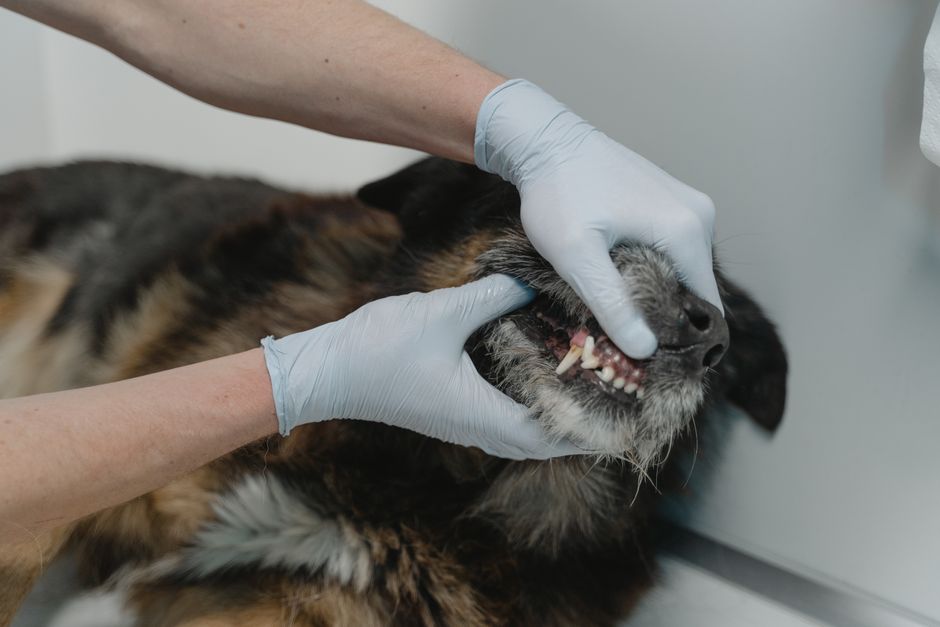
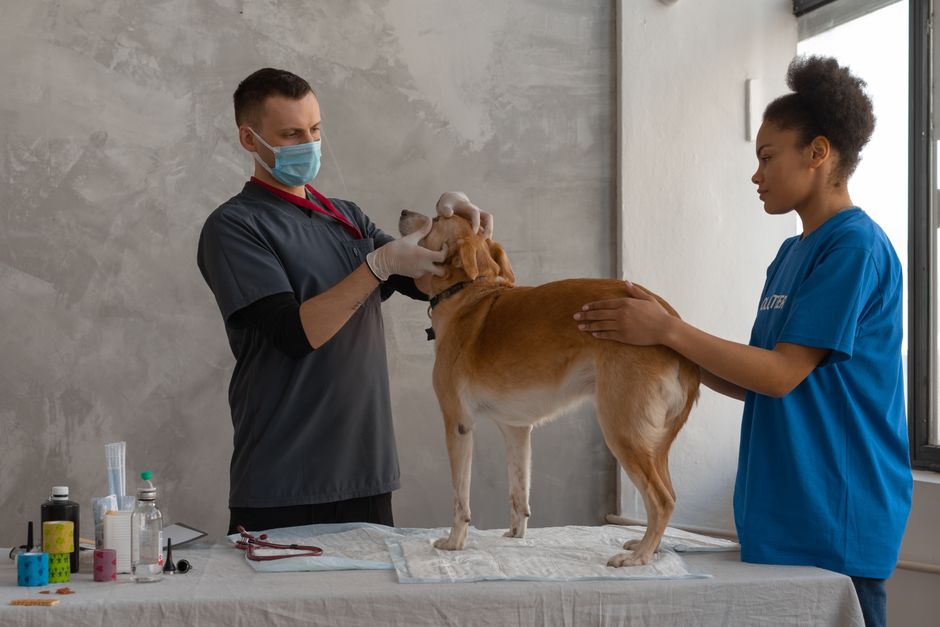
When you bring your pet to Liberty Veterinary Clinic for lethargy, our veterinary professionals will begin with a thorough physical examination and a detailed discussion of your pet’s recent behavior and health history. Treatment approaches involve a combination of careful observation, diagnostic testing, and prompt medical intervention if needed. We may recommend bloodwork, urinalysis, or imaging studies like x-rays or ultrasound to evaluate organ function, screen for infection, or detect hidden injuries.
Depending on the underlying cause, management options can range from supportive care and rest to targeted treatments such as antibiotics for infections, pain management for arthritis, or fluid therapy for dehydration. If a specific condition like diabetes or heart disease is diagnosed, our veterinarians will work with you to develop a long-term care plan tailored to your pet’s needs. In cases where surgery or dental procedures are required, we will guide you through every step of the process to ensure your pet receives the highest level of care.
We understand that waiting for answers can be stressful. Our team prioritizes clear communication and compassionate support throughout the diagnostic and treatment process. If your pet’s lethargy is accompanied by urgent symptoms, we are equipped to provide rapid assessment and stabilization to address acute problems quickly.
Practical Home Care and Preventive Steps
While some causes of lethargy in pets require professional intervention, there are important steps you can take at home to support your pet’s health and reduce the risk of future problems. Monitoring your dog or cat’s activity and appetite regularly can help you detect changes early. Ensuring your pet receives balanced nutrition, regular exercise suitable for their age and breed, and plenty of fresh water contributes to overall vitality.
Other preventive measures include keeping up with routine wellness care, staying current on vaccinations, and scheduling regular dental check-ups to prevent oral pain. If your pet spends time outdoors, using veterinarian-recommended parasite prevention helps protect against illnesses transmitted by fleas, ticks, or mosquitoes. For pets with chronic conditions, following your veterinarian’s recommendations for medication, diet, and activity modifications is crucial.
If your pet is recovering from illness or surgery, providing a quiet, comfortable space and limiting strenuous activity can promote healing. Always supervise your pet around potential hazards, and avoid giving human medications or supplements unless directed by a veterinarian.
When to See a Vet: Knowing When Lethargy Signals an Emergency
Deciding when to seek veterinary care for a lethargic pet can feel overwhelming, especially when symptoms develop quickly. As a rule of thumb, any sudden or severe change in your pet’s behavior, especially when combined with other symptoms such as vomiting, diarrhea, labored breathing, pale gums, or collapse, should prompt immediate veterinary attention. These signs can indicate life-threatening issues like internal bleeding, poisoning, or severe infection.
For more gradual or mild lethargy, schedule a prompt visit if your pet’s energy does not return after 24 hours, or if you notice ongoing changes in appetite, weight, mobility, or bathroom habits. Chronic or intermittent tiredness should also be evaluated, as it may point to underlying medical conditions that benefit from early intervention.
Our veterinarians at Liberty Veterinary Clinic are committed to providing timely, thorough care for your pets. We encourage you to schedule a wellness examination if you are concerned about your pet’s energy level or overall health. If you are ever uncertain about the urgency of your pet’s symptoms, calling our clinic at (215) 483-1066 is the best way to receive guidance tailored to your situation.
Supporting Your Pet’s Health with Compassionate Veterinary Care in Philadelphia
Lethargy in pets can range from a simple need for rest to a sign of significant illness. By staying alert to changes in your pet’s activity, taking preventive actions at home, and knowing when to reach out to your veterinary team, you play a vital role in your companion’s well-being. At Liberty Veterinary Clinic, we take pride in serving Philadelphia and surrounding communities with comprehensive veterinary diagnostics and personalized care.
If you notice your dog or cat acting tired, less playful, or simply not themselves, do not hesitate to contact our friendly veterinary professionals. We invite you to schedule an appointment for a comprehensive pet exam or wellness care visit at our Philadelphia location. Whether you are searching for a vet near me or seeking veterinary diagnostics in Philadelphia, our goal is to provide guidance, answers, and compassionate support every step of the way.
Call (215) 483-1066 today to schedule your pet’s appointment and experience the difference a dedicated veterinary team can make in your pet’s life. Your pet’s health, comfort, and happiness are always our top priorities.
This blog is for informational purposes only and does not substitute for professional veterinary advice. If you have concerns about your pet's health or notice sudden changes in behavior, please consult a veterinarian promptly.