March Health Checklist for Philadelphia Cats and Dogs

March Health Checklist for Philadelphia Cats and Dogs
As the chilly grip of winter loosens in Philadelphia and longer days hint at warmer weather, pet owners naturally start thinking about how to help their furry companions transition safely into spring. March is a pivotal month for both cats and dogs; it marks the start of increased outdoor activity, seasonal allergens, and a renewed focus on preventive wellness. At Liberty Veterinary Clinic, located at 8919 Ridge Avenue, Philadelphia, PA 19128, our team of veterinarians understands the unique needs of pets in our community as the seasons change. This comprehensive March health checklist is designed to guide you through essential springtime wellness tips, including preventive care, nutrition, and timely checkups. Whether you are a first-time pet owner or a seasoned caretaker, read on to discover how you can help your cat or dog thrive this season—and how our veterinary professionals can support you every step of the way.
Recognizing Seasonal Health Concerns in Your Pet
Spring brings a burst of energy to pets who have spent much of winter indoors, but it also introduces a range of health concerns that can catch even attentive owners off guard. Recognizing the signs that your cat or dog may need extra care is the first step to ensuring a healthy transition into the new season. Common issues in March include increased shedding, itchy skin, and the resurgence of external parasites like fleas and ticks. For dogs, muddy walks and more frequent trips outside can result in dirty paws, minor injuries, or exposure to environmental hazards. Cats, especially those allowed outdoors, may encounter allergens and parasites as they explore gardens and urban green spaces.
Symptoms to watch for during this time of year include persistent scratching, sneezing or watery eyes, changes in appetite, and any signs of lethargy or discomfort. Digestive changes, such as diarrhea or vomiting, may also become more noticeable if your pet has gotten into something they should not have while outside. If your pet seems less energetic, is drinking or urinating more than usual, or develops a cough, these could be warning signs of underlying health issues that benefit from professional veterinary attention.
Why Seasonal Changes Affect Pet Health
Understanding why spring can trigger health issues in cats and dogs is key to proactive care. As temperatures rise in Philadelphia, fleas, ticks, and mosquitoes become more active. These parasites can transmit diseases such as Lyme disease or heartworm, both of which are present in Pennsylvania. Pollen and mold spores are also more prevalent in March, leading to seasonal allergies that may manifest as skin irritation, ear infections, or respiratory symptoms.
Another factor is the increased amount of daylight, which often results in pets spending more time outdoors. This uptick in activity is beneficial for physical and mental wellbeing but can expose your pet to potential hazards, including road salt residue, sharp debris hidden in melting snow, and the tempting but toxic plants beginning to sprout. Cats who wander outside may be at risk for injuries or encounters with other animals, while both cats and dogs can ingest harmful substances during spring cleanups.
Routine wellness care is crucial during seasonal transitions because many illnesses are easier to prevent than treat. For example, heartworm disease can be life-threatening but is entirely preventable with regular testing and prophylactic medication. Similarly, updating vaccinations and scheduling a wellness examination can help catch subtle changes before they become major health concerns.
Preventive Care and Professional Treatment Options
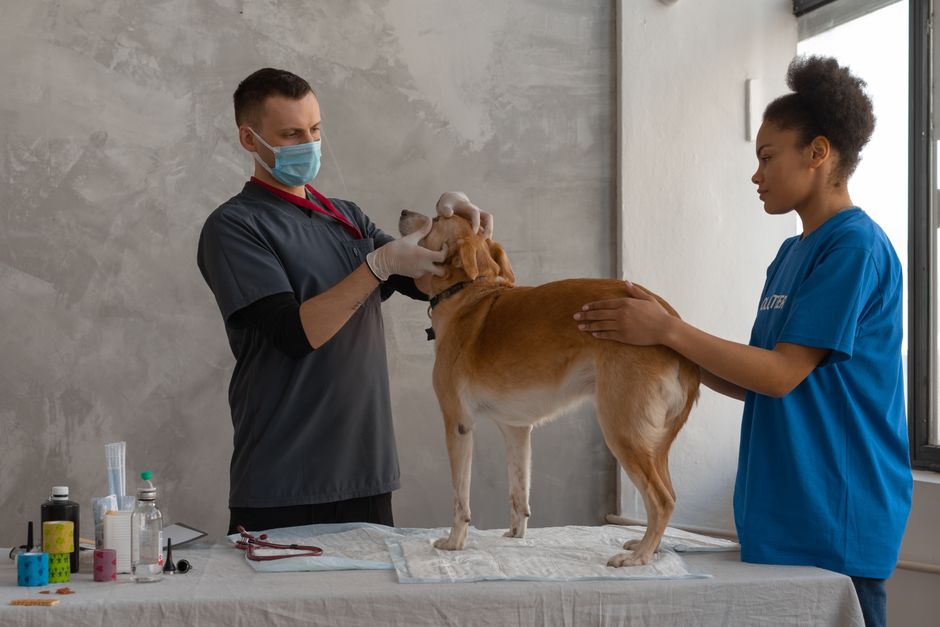
A proactive approach to pet health this March centers on preventive care, regular checkups, and timely intervention when needed. At Liberty Veterinary Clinic, our experienced veterinarians provide comprehensive services tailored to the needs of Philadelphia pets during this dynamic time of year. Spring is an ideal time to schedule a wellness examination for your pet. During this visit, our veterinary professionals will perform a thorough physical exam, assess body condition, and discuss any changes in behavior or appetite you have noticed. We may recommend routine bloodwork or diagnostic testing to screen for early signs of illness, especially in senior pets or those with chronic health conditions.
Parasite prevention is another cornerstone of springtime care. Our team will advise you on the best flea, tick, and heartworm preventives for your pet's lifestyle and risk factors. Philadelphia's climate supports the year-round presence of these parasites, but their activity peaks in the spring and summer months. We offer heartworm testing and can help you establish a prevention schedule that provides peace of mind as your pet ventures outdoors more often.
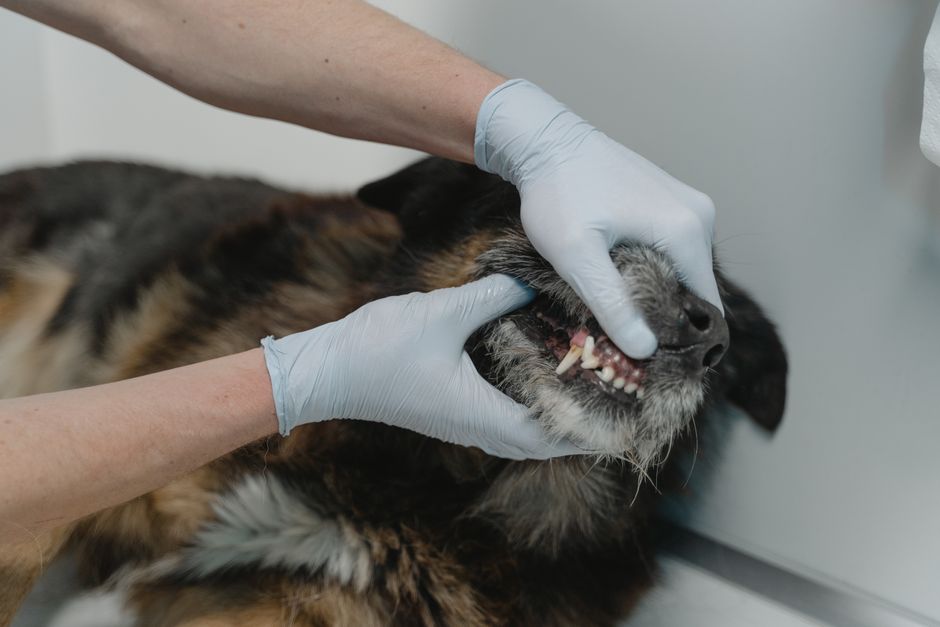
Dental health should not be overlooked in your March wellness checklist. As pets chew on sticks, toys, or even grass, minor oral injuries or dental disease may become evident. Signs such as bad breath, drooling, or difficulty eating warrant an oral health assessment. Our clinic provides pet dental cleanings and dental radiography to address these issues promptly.
If your pet develops unexplained symptoms—such as persistent coughing, skin rashes, or gastrointestinal distress—diagnostic services like digital radiology or laboratory testing can help identify the underlying cause. Our veterinary team is equipped to manage a wide range of medical conditions, from acute injuries to chronic diseases, ensuring your pet receives the most appropriate treatment for their needs.
At-Home Steps to Support Your Pet's Spring Wellness
While regular veterinary care forms the backbone of your pet's health, there are many steps you can take at home to keep your cat or dog comfortable and safe as spring arrives. Start by refreshing your pet's bedding and grooming tools to minimize shedding and remove allergens. Brushing your pet regularly helps control loose fur, prevents matting, and allows you to check for skin irritations or external parasites. For dogs, cleaning paws after walks is essential to remove road salt, mud, and potential toxins.
Nutrition also plays a vital role in seasonal wellness. As activity levels increase, ensure your pet's diet meets their energy needs without encouraging unhealthy weight gain. Consult with your veterinarian if you are unsure about portion sizes or the best food for your pet's life stage. Make sure fresh water is always available, especially as temperatures begin to climb.
Monitor your pet's behavior closely during March. Watch for changes that could indicate health issues, such as decreased interest in play, hiding, or vocalizing more than usual. For outdoor cats, consider a collar with identification and ensure microchip information is up to date in case of accidental escapes.
Consistent use of veterinarian-recommended parasite preventives is one of the most effective ways to protect your pet from flea, tick, and heartworm threats. Administer medications as directed and keep track of when doses are due. If you notice any adverse reactions or have concerns about product options, reach out to your veterinary team for guidance.
When to Schedule a Veterinary Visit
Knowing when to seek professional help is critical to maintaining your pet's wellbeing. If your pet exhibits any signs of illness—such as vomiting, diarrhea, coughing, persistent itching, limping, or sudden changes in appetite or behavior—it is always safer to schedule an appointment sooner rather than later. Early intervention can make a significant difference in outcomes and comfort for your pet.
Seasonal transitions are the perfect time for a comprehensive wellness check. If your pet has not seen a veterinarian in the past six to twelve months, a spring exam is highly recommended. This visit provides an opportunity to update vaccinations, review parasite prevention strategies, and address any new or ongoing health concerns. Our wellness care services are designed to support pets of all ages and backgrounds, offering personalized recommendations based on your pet's unique needs.
If you suspect your pet has been exposed to a toxin, develops sudden or severe symptoms, or experiences trauma, do not hesitate to contact us right away. Our clinic welcomes both routine appointments and urgent care needs to ensure your cat or dog receives timely attention.
Why Choose Liberty Veterinary Clinic for Your Pet's March Wellness Needs?
At Liberty Veterinary Clinic, we are committed to providing compassionate, comprehensive care to pets throughout Philadelphia and surrounding communities. Our veterinary professionals understand the challenges local pet owners face during seasonal transitions and offer support tailored to your family's needs. From preventive wellness services and pet dental cleanings to advanced diagnostics and emergency support, we strive to be your trusted partner in every aspect of your pet's health.
When searching for a veterinarian near me who truly understands the needs of Philadelphia pets, look no further than our dedicated practice. We encourage you to schedule a March wellness examination or reach out with any questions about your pet's health as spring approaches. To make an appointment or learn more about our services, contact our veterinary team at (215) 483-1066 or visit us at 8919 Ridge Avenue, Philadelphia, PA 19128. Our team is here to help your furry companions enjoy a safe, happy, and healthy start to the new season.
Please note: The information provided in this blog is for educational purposes only and does not replace professional veterinary advice. If you have any concerns about your pet's health, always consult with your veterinarian for guidance tailored to your pet's specific needs. For additional resources on spring pet care, visit the American Veterinary Medical Association.