Late Summer Skin Care for Philly Dogs and Cats
Late Summer Skin Care for Philly Dogs and Cats
As the summer heat lingers in Philadelphia, many pet owners notice their dogs and cats scratching, licking, or developing irritated skin. At Liberty Veterinary Clinic, our team understands how uncomfortable late summer skin issues can be for your four-legged family members. Whether your pet is battling allergies, hotspots, or mysterious itchiness, our veterinarians in Philadelphia, PA are here to help you keep your dog or cat comfortable all season long.
In this post, we will explore the most common skin problems affecting Philadelphia’s pets during August and September. You will learn how to spot the signs of skin trouble, understand what causes these seasonal flare-ups, discover how professional veterinary care can help, and pick up practical tips for preventing issues at home. If your pet’s skin is already showing signs of distress, our compassionate team at Liberty Veterinary Clinic offers a full range of services, from wellness care to advanced diagnostics and urgent care. Read on to see how you can help your pet enjoy the rest of summer itch-free.
Recognizing Late Summer Skin Problems in Dogs and Cats
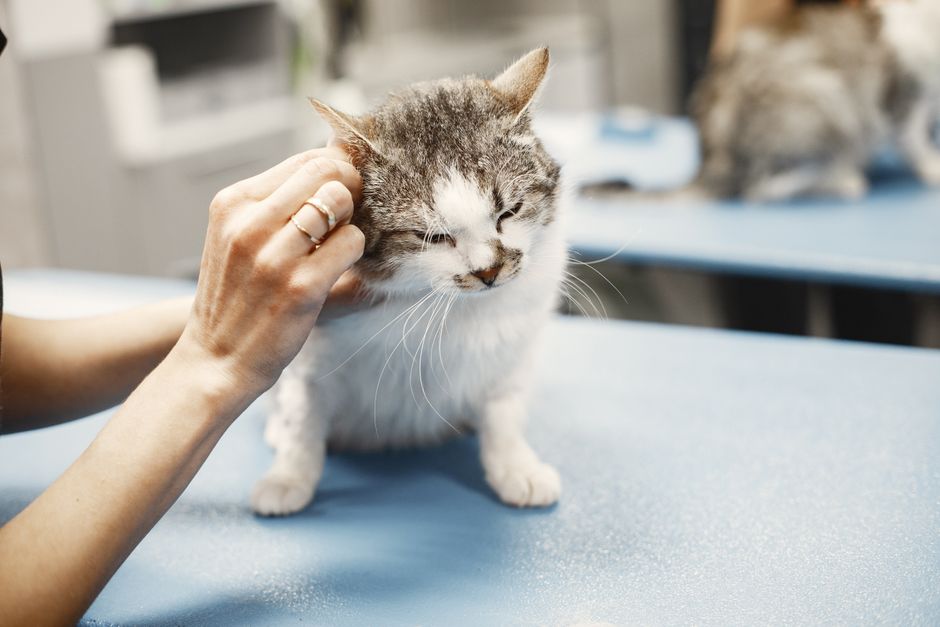
Philadelphia’s muggy summer days create the perfect environment for skin problems in pets. If you notice your dog or cat scratching more than usual, licking their paws, or losing patches of fur, it could signal a developing skin issue. Common symptoms include persistent itching, red or inflamed skin, scabs or sores, hair loss, and the appearance of moist, irritated areas called “hotspots.” In some pets, you may see crusty patches, scaling, or unusual odors coming from the skin or ears. Cats may groom excessively, sometimes leading to bald spots or even wounds.
Other warning signs include your pet shaking their head, chewing at their tail or legs, or becoming more irritable than usual. These changes can happen suddenly, especially after time outdoors, a romp in the grass, or during stretches of high heat and humidity. When you spot any of these symptoms, it is important to pay attention; skin problems can worsen quickly and may indicate underlying health concerns.
Why Do Skin Issues Flare Up in Late Summer?
The end of summer in Philadelphia brings a unique set of challenges for pet skin health. Warm temperatures, high humidity, and seasonal allergens all contribute to the spike in skin problems seen at Liberty Veterinary Clinic during August and September.
One of the most common culprits is seasonal allergies. Grass, weeds, and pollens are at their peak late in the summer, and pets can react just as strongly as people do. Mold spores can also become more prevalent in damp corners of your yard or home, triggering allergic reactions. Fleas thrive in warm, humid weather, so flea bites and flea allergy dermatitis are especially common during this time. Even pets that receive regular flea prevention may become infested if they spend time in untreated outdoor areas or around other animals.
Heat and humidity themselves can contribute to skin irritation. Dogs and cats may develop hotspots, which are areas of moist, inflamed skin that rapidly become red, painful, and infected. These usually start when a pet licks or scratches an itchy area, creating an environment perfect for bacteria to multiply. Ear infections are another concern, as moisture and heat can encourage yeast and bacteria to flourish inside the ear canal.
Underlying health conditions such as hypothyroidism, food allergies, or immune system disorders may become more apparent during times of physiological stress, including the tail end of summer. For pets with these chronic issues, the additional burden of environmental triggers can lead to more severe symptoms.
How Liberty Veterinary Clinic Treats Summer Skin Problems
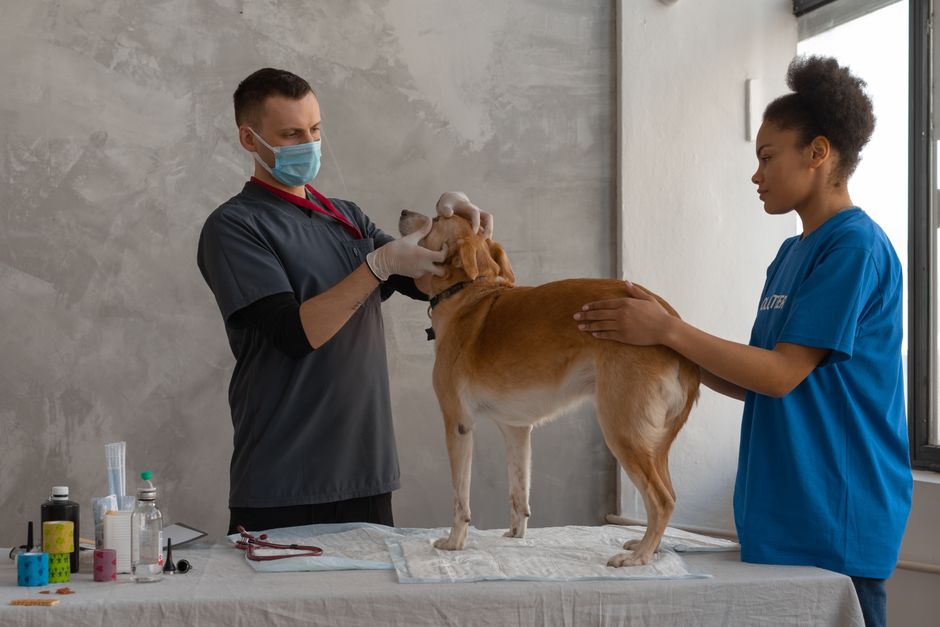
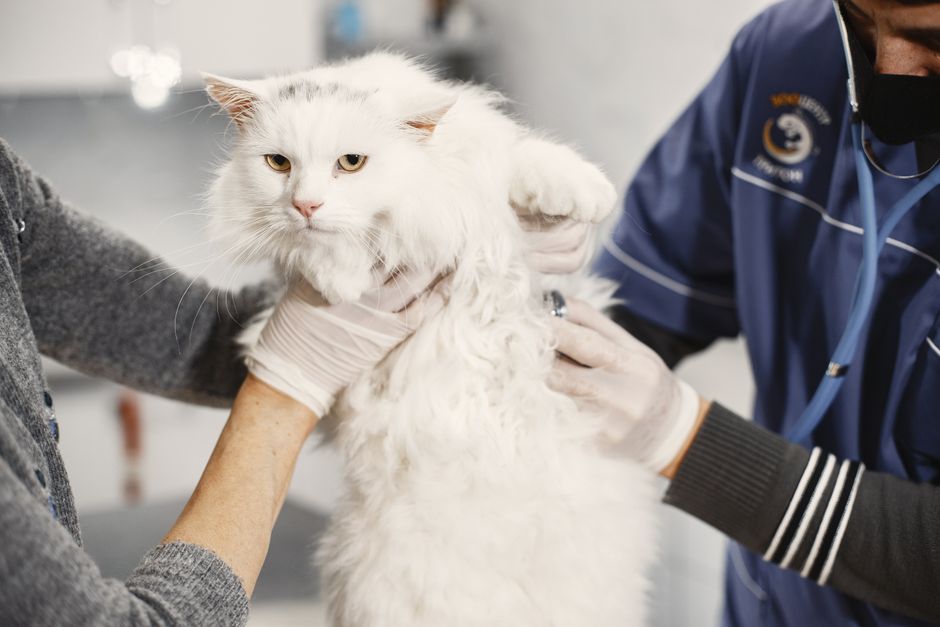
Professional veterinary care is crucial when your pet’s skin becomes irritated, inflamed, or infected. At Liberty Veterinary Clinic, our veterinarians begin with a thorough examination to determine the root cause of your dog’s or cat’s discomfort. This often involves a close look at the skin, a review of your pet’s medical history, and questions about recent activities, diet, and environment.
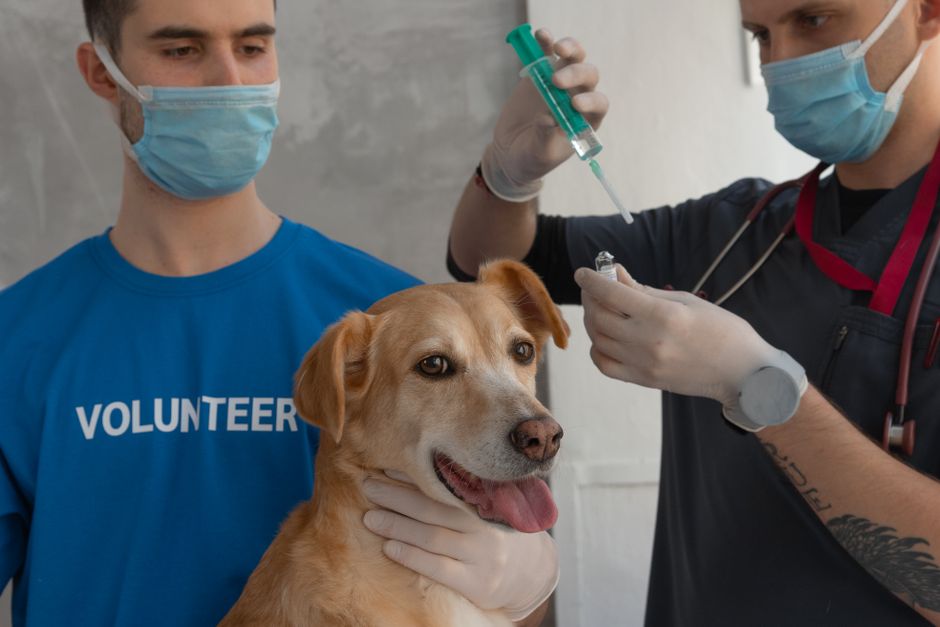
Depending on what we find, diagnostic tests such as skin scrapings, cytology, or fungal cultures may be recommended. In some cases, our team may suggest allergy testing or bloodwork to rule out underlying health conditions. If your pet’s symptoms include open sores, hotspots, or signs of infection, prompt treatment is essential to prevent complications.
Treatment approaches vary based on the diagnosis. For allergy-related itching, we may prescribe oral or topical medications to relieve symptoms and control inflammation. If fleas are detected, a fast-acting flea control program will be started for your pet and discussed for all animals in the household. Infected hotspots require careful cleaning, topical therapies, and sometimes antibiotics. Ear infections are managed with medicated ear drops and recommendations for at-home ear care. For pets with chronic or recurrent skin issues, our veterinarians may discuss longer-term management strategies, including dietary adjustments or immunotherapy.
We encourage pet owners to schedule a wellness examination if their dog or cat is struggling with recurring or severe skin problems. Early intervention can make a significant difference in your pet’s comfort and long-term health.
Home Care and Prevention Tips for Healthy Summer Skin
While professional care is vital for treating serious skin problems, there are many steps you can take at home to help prevent issues and keep your pet’s skin healthy. Start by maintaining a regular grooming routine. Brushing your dog or cat often helps remove loose fur, dirt, and allergens, and gives you the chance to spot trouble areas early. Bathing your pet with a veterinarian-approved shampoo can also help, especially if they are prone to allergies or hotspots, but be careful not to over-bathe, as this can dry out the skin.
Flea prevention is critical in late summer. Use a veterinarian-recommended flea control product consistently, and check your pet’s fur and bedding for signs of fleas. Washing your pet’s bedding regularly and vacuuming your home thoroughly can reduce the presence of fleas and allergens. After outdoor excursions, especially in grassy or wooded areas, inspect your pet for burrs, ticks, or plant material that could irritate the skin.
Managing environmental allergies can be challenging, but wiping your pet’s paws and coat with a damp cloth after walks can help remove pollen and reduce itching. Keep your home well-ventilated to limit mold growth, and use air filters if allergies are a recurring problem for your pets.
Nutrition also plays a role in skin health. Feeding your dog or cat a balanced diet that is appropriate for their age and health status supports a healthy coat and immune system. Discuss dietary options with your veterinarian if your pet has chronic skin issues or suspected food allergies.
When Should You Seek Veterinary Care for Skin Issues?
Knowing when to call your veterinarian can make a big difference in your pet’s comfort and healing. If your dog or cat is scratching constantly, has raw or bleeding skin, develops a hotspot, or shows signs of pain, it is time to schedule an appointment with our team at Liberty Veterinary Clinic. Other reasons to seek our help include persistent ear odor or discharge, bald patches, swelling, or any sudden changes in your pet’s behavior or appetite related to skin discomfort.
Skin problems that do not improve with basic home care within a few days, or that get worse quickly, always warrant professional attention. Delaying care can lead to infections, spread of parasites, or more extensive discomfort for your pet. If you are ever unsure, our team of veterinarians is happy to answer your questions and help you decide on the best next steps.
For situations that appear urgent, such as rapidly spreading sores, severe swelling, or signs of systemic illness like lethargy or vomiting, do not wait. Our emergency veterinary care service is available to provide prompt attention when your pet needs it most.
Keeping Philly Pets Comfortable All Summer Long
Late summer skin issues can disrupt the lives of both pets and their owners, but with the right approach, these problems can be managed and prevented. By staying alert to early warning signs, maintaining a solid home care routine, and partnering with the veterinary professionals at Liberty Veterinary Clinic, you can help your dog or cat enjoy a healthier, more comfortable summer.
If your pet is showing signs of skin trouble, do not hesitate to reach out. You can schedule an appointment for a comprehensive wellness examination, ask about our diagnostic and treatment services, or request urgent care if the issue is severe. Our team is committed to supporting pet owners throughout Philadelphia and surrounding communities with expert guidance and compassionate care.
When searching for a vet near me, remember that Liberty Veterinary Clinic is dedicated to the skin health and overall wellbeing of your dog or cat. Call us at (215) 483-1066 or visit our clinic at 8919 Ridge Avenue, Philadelphia, PA 19128 to get your pet the relief they deserve. Your companion’s comfort and health are always our top priorities.