Helping Your Dog or Cat Stay Active Indoors This November
Helping Your Dog or Cat Stay Active Indoors This November
As the crisp November air settles over Philadelphia, many pet owners find themselves wondering how to keep their dogs and cats active when chilly weather makes outdoor adventures less appealing. At Liberty Veterinary Clinic, we know that regular exercise is essential for your pet’s physical and mental health all year long. Whether your dog loves a brisk walk or your cat enjoys sunbathing by the window, cooler days and early sunsets can make it challenging for pets to get the movement they need. In this blog, we will explore why staying active indoors is so important, signs your pet may not be getting enough exercise, and practical ideas to help your pet stay healthy and happy right at home. Our team of veterinarians at 8919 Ridge Avenue, Philadelphia, PA 19128 is always here to support your pet’s well-being, from routine wellness care to individualized exercise advice and more.
Recognizing When Your Pet Needs More Indoor Activity
Many pet owners notice subtle changes in their dogs and cats as the weather turns cold. Inactivity can creep in quietly, but there are clear signs to watch for that signal your pet may need more exercise during the winter months. Weight gain is one of the most common indicators. If your dog’s collar feels tighter or your cat’s midsection seems rounder, these are signs that their activity level has dropped. Other clues include restlessness, such as pacing or excessive barking in dogs and increased meowing or scratching in cats. You might also notice destructive behaviors like chewing household items, scratching furniture, or over-grooming, which often stem from boredom and pent-up energy. Additionally, your pet may seem less interested in play or have difficulty settling down at night. These changes can be gradual, so it’s important to keep an eye on your pet’s habits and body condition as the seasons shift.
Why Dogs and Cats Need Exercise—Even Indoors
Regular physical activity is essential for dogs and cats, not only to maintain a healthy weight but also to support overall mental health. In Philadelphia, November weather can make outdoor walks less frequent, but your pet’s need for movement doesn’t decrease with the temperature. Dogs rely on daily exercise to manage weight, maintain strong muscles, and keep joints flexible. Cats benefit from activity that mimics hunting behaviors, which helps prevent obesity and keeps their minds sharp. Without regular movement, pets are at increased risk for health issues such as arthritis, diabetes, and heart disease. Mental stimulation is just as critical; without it, pets may develop anxiety or depression, leading to behavioral problems. When the weather keeps you indoors, finding creative ways to engage your pet becomes vital for their long-term health and happiness.
Fun and Safe Indoor Activities for Dogs and Cats
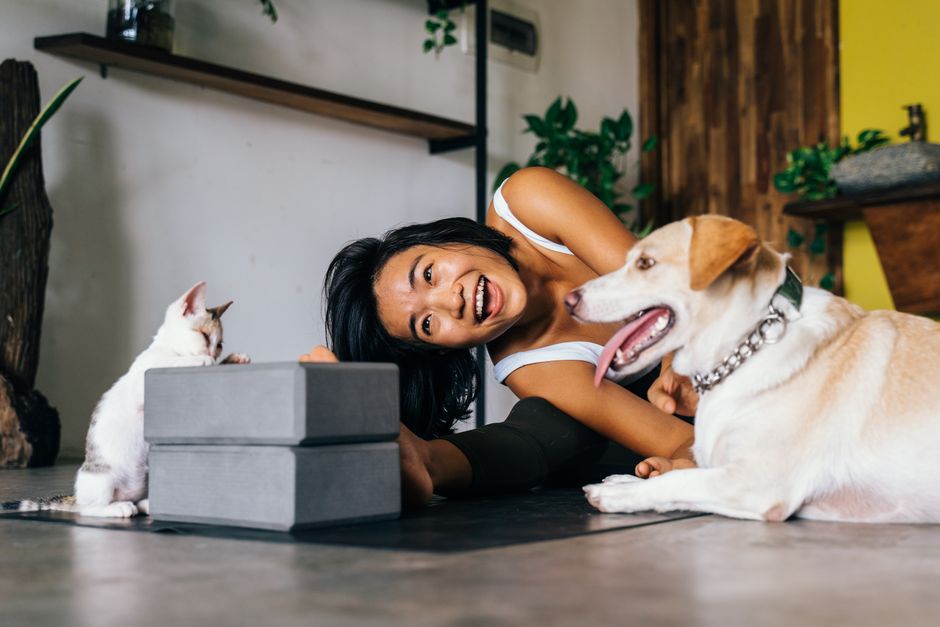
You do not need a large space or special equipment to help your dog or cat stay active indoors throughout November. Indoor games for dogs include fetch in a hallway, tug-of-war with a sturdy rope toy, or hide-and-seek using treats or favorite toys. Training sessions that reinforce basic commands or teach new tricks can also provide both mental and physical stimulation; even a few minutes a day can make a difference. For cats, interactive toys like feather wands, laser pointers, and puzzle feeders encourage them to pounce, chase, and hunt. Cardboard boxes and paper bags can become exciting playgrounds for curious felines, while cat trees and shelves encourage climbing and jumping. Rotating toys every few days keeps your cat’s environment fresh and engaging. For both species, consider setting up obstacle courses using household items or offering food-dispensing toys that require problem-solving and movement. These activities not only support your pet’s health but also strengthen the bond you share.
Creating a Pet-Friendly Indoor Environment
Adapting your home to support indoor exercise is easier than you might think. Clear spaces in living areas where your dog can run or play safely, and use baby gates if you want to limit access to certain rooms. For cats, vertical spaces like shelves or cat trees give them opportunities to climb, perch, and observe their surroundings from above. Place scratching posts near favorite napping spots to encourage stretching and claw maintenance. If you live in an apartment or have limited space, dedicate a small area for interactive play sessions and rotate toys to maintain your pet’s interest. Set aside time each day for active engagement—even ten to fifteen minutes of focused play can go a long way in maintaining your pet’s fitness and well-being. Remember that keeping your pet’s mind engaged is just as important as physical activity; food puzzles, scent games, and training exercises all help provide mental enrichment.
The Importance of Routine and Enrichment
Establishing a consistent daily routine helps pets feel secure and ensures they receive adequate exercise, even when they can’t go outside as often. Try to schedule play sessions at the same times each day, such as before work and in the evening. Vary the types of activities to keep things interesting; for example, alternate between fetch, training, and scent games for dogs, and offer different interactive toys or cardboard box setups for cats. Enrichment isn’t just about toys—it includes any activity that allows your pet to use their senses, solve problems, and make choices. For dogs, hiding treats around the house or practicing nose work can keep their minds sharp. For cats, offering new textures, scents, or views from different windows stimulates their natural curiosity. Consistency in exercise and enrichment supports not just physical health, but also emotional balance and good behavior.
When to Seek Help From Your Veterinarian
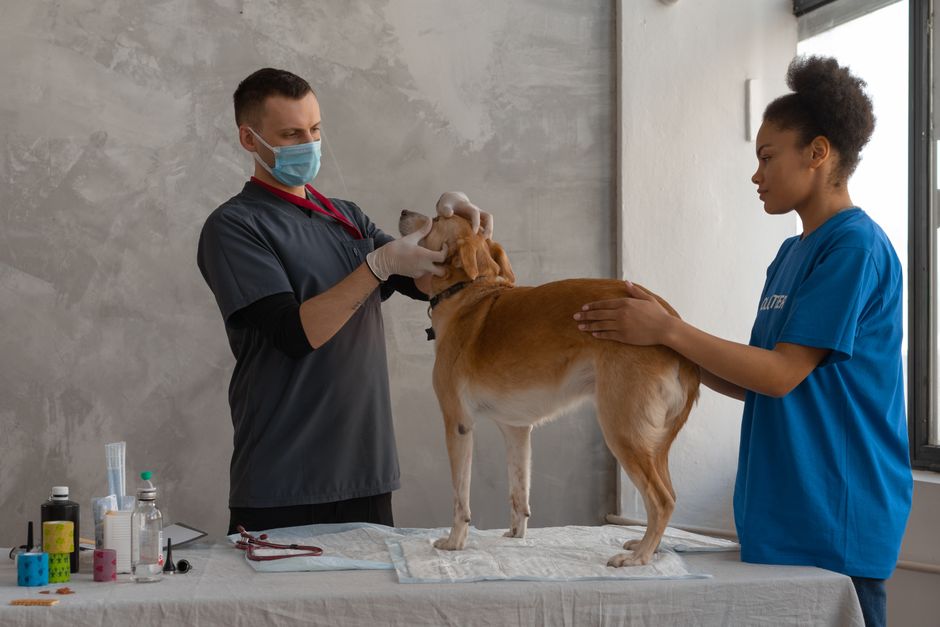
While most dogs and cats adjust well to increased indoor time, sometimes changes in behavior or weight can signal underlying health issues. If you notice your pet gaining or losing weight rapidly, becoming lethargic, or showing signs of pain during movement, it is important to consult your veterinarian. Additional warning signs include persistent coughing, labored breathing, limping, or reluctance to play or jump. For cats, sudden hiding or changes in litter box habits may also indicate a problem. At Liberty Veterinary Clinic, our veterinary professionals can help determine whether your pet’s behavior is due to lack of exercise or a medical concern. During your pet wellness examination, we assess your pet’s overall health, discuss their activity level, and provide tailored recommendations for safe indoor exercise. If you are ever unsure about your pet’s needs, reaching out for professional guidance is the best way to ensure their well-being.
Supporting Your Pet’s Health All Year Long
Helping your dog or cat stay active indoors during chilly November days is one of the most important things you can do to protect their health and happiness. By watching for signs of inactivity, creating a stimulating home environment, and establishing daily routines, you can help your pet thrive no matter the weather. Our team of veterinarians at Liberty Veterinary Clinic is dedicated to supporting you every step of the way, from exercise advice to comprehensive wellness care. If you are looking for a “vet near me” in Philadelphia who truly cares about your pet’s well-being, we invite you to schedule an appointment with us. Contact Liberty Veterinary Clinic at (215) 483-1066 or visit our Philadelphia location to learn more about how we can help your dog or cat stay happy, healthy, and active all year round.
The information in this blog is for educational purposes only and should not replace professional veterinary advice. If you have concerns about your pet’s health or sudden changes in behavior, please reach out to your veterinarian for a thorough evaluation.