Essential April Wellness Checks for Philly Cats and Dogs

Essential April Wellness Checks for Philly Cats and Dogs
As spring settles in and the weather begins to shift in Philadelphia, many pet owners start to wonder how seasonal changes might affect their four-legged friends. Longer days, fluctuating temperatures, and the return of outdoor activities bring both joy and new health considerations for cats and dogs alike. At Liberty Veterinary Clinic, located at 8919 Ridge Avenue, Philadelphia, PA 19128, our veterinary team is dedicated to helping you navigate these seasonal transitions with confidence. In this blog, we’ll explore which wellness checks and preventive care visits are most important for Philly’s pets in April, how to recognize early signs of seasonal health concerns, and the best ways to keep your pet happy, healthy, and protected through spring and beyond. Whether your pet needs a routine checkup, updated vaccinations, or advice about flea and tick prevention, our veterinarians are here to support your pet’s needs every step of the way. If you’re preparing to schedule your spring wellness examination, you’ll find tips, recommendations, and local expertise to guide your next visit.
Recognizing Seasonal Health Concerns in Your Cat or Dog
As temperatures warm up and pets spend more time outdoors, new health risks can emerge. Changes in the environment, such as increased pollen and insect activity, can trigger various conditions. For many pet owners, it’s not always easy to tell when a seasonal issue might be affecting their cat or dog. Key symptoms that may signal a need for a spring wellness check include scratching or biting at the skin, sneezing or watery eyes, sudden lethargy, coughing, changes in appetite, or digestive upsets. In some cases, pets may start licking their paws more frequently, develop hot spots, or show signs of discomfort when outside. Additionally, the spring season often brings an uptick in flea, tick, and mosquito activity, which can expose pets to parasites and diseases like heartworm. It’s important to pay close attention to any changes in your pet’s behavior or physical condition, even if the symptoms seem mild at first. Early detection is vital for managing seasonal issues before they become more serious.
Why Do Pets Need Wellness Checks in April?
Spring wellness checks are essential for several reasons, particularly in a city like Philadelphia where weather patterns and humidity can change rapidly. As outdoor temperatures rise, pets become more susceptible to parasites such as fleas, ticks, and mosquitoes. These pests can be more than just a nuisance; they may transmit diseases that can impact your pet’s health throughout the year. For example, heartworm disease, which is spread by mosquitoes, is a serious risk for both dogs and cats in our region. Additionally, environmental allergens like tree pollen and grass can trigger allergies, leading to itchy skin, respiratory issues, or chronic ear infections. Spring is also a time when many pets shed their winter coats, which can contribute to skin irritation or matting if not managed properly. During a spring wellness visit, our veterinarians perform a comprehensive assessment that covers everything from your pet’s skin and coat condition to heart and lung health. We also review your pet’s vaccination status to make sure they are up to date on important immunizations, which is especially important if you plan to visit dog parks, hiking trails, or other public spaces. Regular wellness checks help us catch subtle changes early, provide personalized recommendations, and keep your pet protected as the seasons shift.
What to Expect During an April Wellness Exam
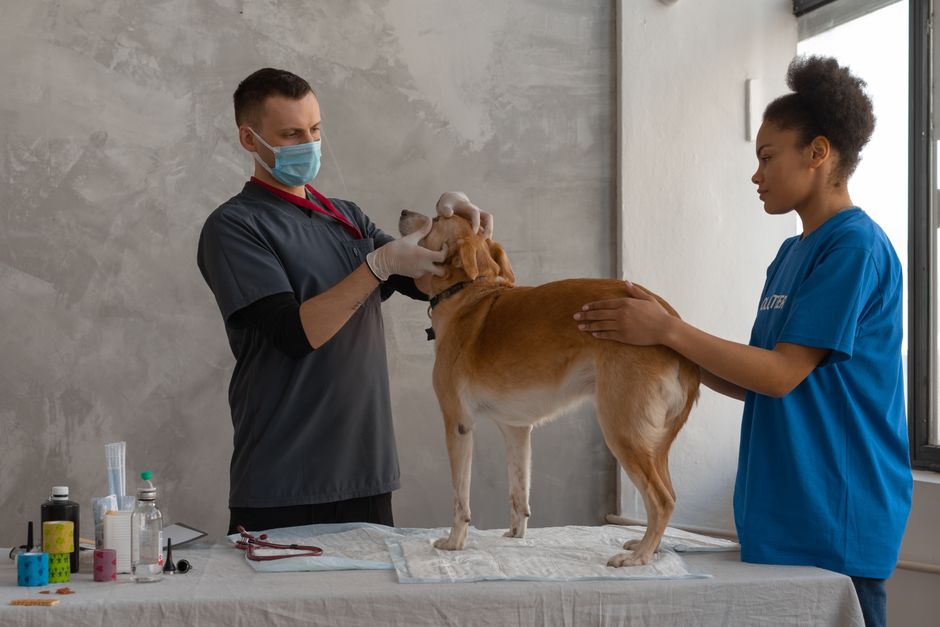
When you bring your cat or dog to Liberty Veterinary Clinic for a spring wellness check, our veterinary professionals take a thorough and proactive approach. The examination typically starts with a conversation about your pet’s lifestyle, diet, and any recent changes in behavior or health. Our veterinarians will then perform a nose-to-tail physical exam, evaluating your pet’s eyes, ears, teeth, skin, lymph nodes, heart, lungs, and abdomen. Special attention is given to detecting early signs of seasonal allergies, skin irritations, and parasite activity. Diagnostic screenings, such as heartworm testing, may be recommended based on your pet’s risk factors and medical history. We also assess your pet’s weight and body condition, which can fluctuate with changes in activity levels during spring. For pets who venture outdoors more frequently, our team may discuss preventive strategies for fleas, ticks, and intestinal parasites. If your pet is due for any core or lifestyle vaccinations, these can be updated during the same visit. To support a complete picture of your pet’s health, our wellness examination may also include in-house laboratory tests, such as a fecal analysis or bloodwork, as needed. This comprehensive approach ensures your pet receives tailored care for the unique challenges of springtime in Philadelphia.
Springtime Parasite Prevention: What Pet Owners Should Know
One of the most important aspects of April wellness care is protecting your pet from parasites that thrive during warmer months. In Philadelphia, fleas, ticks, and mosquitoes become increasingly active as temperatures rise, posing risks not only to your pet’s comfort but also to their long-term health. Fleas can cause intense itching, allergies, and even transmit tapeworms, while ticks are known carriers of diseases such as Lyme disease and ehrlichiosis. Mosquitoes, on the other hand, are responsible for spreading heartworm disease, which can be life-threatening if left untreated. Effective prevention strategies include year-round use of veterinarian-recommended flea, tick, and heartworm preventives, regular checks for parasites after outdoor activities, and keeping your pet’s environment clean and free of tall grasses or standing water. Our veterinary team may recommend products from our pharmacy or suggest ordering through our online pharmacy for added convenience. By discussing your pet’s lifestyle and exposure risks during your spring visit, we can customize a prevention plan that provides the best possible protection throughout the season.
Addressing Seasonal Allergies and Skin Conditions
Spring allergies are not just a human problem; many cats and dogs experience similar reactions to environmental allergens. Pollen from trees, grasses, and weeds can trigger symptoms such as itchy skin, redness, ear infections, or watery eyes. Some pets may develop chronic licking or chewing of their paws, while others might have more generalized irritation or hair loss. These symptoms can be particularly frustrating for both pets and owners, as they often worsen with increased outdoor exposure. Our veterinarians are skilled at identifying the underlying causes of allergic reactions and recommending effective management strategies. Treatments may involve medicated shampoos, antihistamines, topical therapies, or adjustments to your pet’s routine. In some cases, dietary changes or supplements can also play a role in alleviating allergy symptoms. The key to managing spring allergies is early intervention and a tailored approach that suits your pet’s unique needs. If you notice persistent skin problems or discomfort, scheduling a wellness check allows us to diagnose the issue and provide relief before it escalates.
Preventive Dental Care in Spring
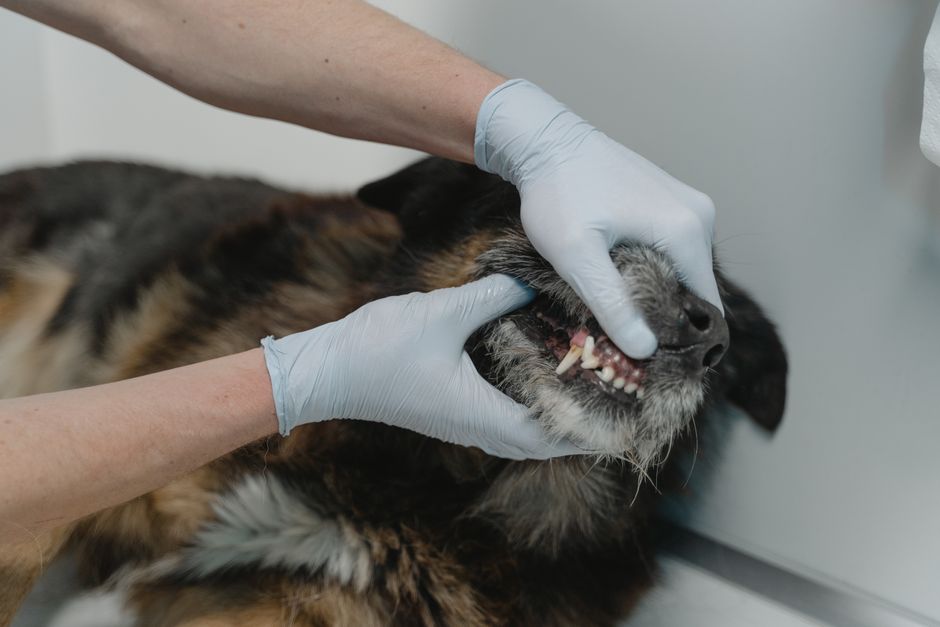
Oral health is an often-overlooked aspect of spring wellness care, yet it plays a crucial role in your pet’s overall wellbeing. As pets age or experience dietary changes, tartar buildup and gum disease can become more pronounced. Signs that your pet may need dental attention include bad breath, drooling, reluctance to eat, or visible plaque on their teeth. During a wellness exam, our veterinarians assess your pet’s oral health and can recommend professional dental cleanings or at-home care routines tailored to your pet’s needs. Preventive dental care not only helps maintain a healthy mouth but also reduces the risk of systemic issues linked to periodontal disease. Spring is an excellent time to address dental concerns, especially as pets become more active and social during the warmer months. If it’s been more than a year since your pet’s last dental check, consider adding this important component to your spring wellness visit.
Home Care Tips for Keeping Your Pet Healthy This Spring
In addition to professional veterinary care, there are several steps you can take at home to support your pet’s health during the spring months. Regular grooming helps remove loose fur and reduces the risk of matting, especially as pets shed their winter coats. Daily brushing can minimize hairballs in cats and keep your dog’s skin healthy. Promptly removing ticks or fleas found on your pet, cleaning bedding frequently, and checking your yard for hazards like standing water can all reduce the risk of parasite exposure. Ensuring your pet has access to fresh water and a balanced diet is crucial, as increased activity may change their hydration and nutritional needs. If you notice any changes in your pet’s behavior, such as increased scratching, sneezing, or digestive upset, track these symptoms and share them with your veterinarian during your next visit. Consistent observation and communication are key to catching seasonal issues early and keeping your pet comfortable as the weather changes.
When to Schedule a Wellness Exam or Seek Veterinary Attention
Some seasonal health concerns can be managed at home, but others require prompt attention from a veterinary professional. You should schedule a wellness exam if your pet is due for annual vaccinations, preventive screenings, or has not had a checkup since last spring. Immediate veterinary care is recommended if you notice persistent coughing, breathing difficulties, severe itching, unexplained weight loss, vomiting, diarrhea, or sudden changes in energy levels. Heartworm testing is especially important in the spring, as early detection can prevent serious complications. Our heartworm testing services provide peace of mind and are an essential part of your pet’s preventive care plan. If your pet is experiencing a health emergency, our team is also equipped to provide urgent care during our regular hours. Remember that early intervention leads to better outcomes, so don’t hesitate to contact our clinic if you have concerns about your pet’s health this season. For more information on what to expect during a wellness examination, our website offers detailed guidance.
Your Philadelphia Partner for Spring Pet Wellness
April is the perfect time to prioritize your pet’s health and prepare for a safe, happy spring. Regular wellness checks are the foundation of preventive care, allowing your veterinarian to catch issues early and tailor recommendations to your pet’s unique needs. At Liberty Veterinary Clinic, our team of veterinarians is proud to serve Philadelphia and surrounding communities with comprehensive services designed to keep your cat or dog healthy year-round. If you’re searching for a trusted vet near me, look no further than our experienced, compassionate team. To schedule your spring wellness exam or learn more about our full range of preventive care options, call us today at (215) 483-1066 or visit us at 8919 Ridge Avenue, Philadelphia, PA 19128. We look forward to helping your pet enjoy all the adventures that springtime in Philadelphia has to offer.
All medical content in this blog is provided for informational purposes only. For specific health concerns or emergency situations, always consult with your veterinarian directly. For urgent needs, our team is available to support your pet’s care during our regular business hours.