Early Fall Wellness Checklist for Philly Dogs and Cats
Early Fall Wellness Checklist for Philly Dogs and Cats
As the vibrant colors of September take over Philadelphia and the temperatures begin to cool, it is the perfect time to ensure your dog or cat is prepared for a healthy start to autumn. At Liberty Veterinary Clinic, our team of veterinarians is dedicated to helping pet owners in Philadelphia and surrounding communities keep their beloved companions happy and thriving throughout the season. Early fall brings unique wellness considerations for pets, from shifting parasite risks and changing outdoor routines to seasonal allergies and vaccine updates. In this checklist, we will walk you through the most important steps to safeguard your dog or cat’s health this September. Whether you are booking a routine wellness examination, updating vaccines, or simply looking for local advice, our team is here to guide you every step of the way.
Recognizing Seasonal Changes: Does Your Pet Need a Fall Checkup?
With the arrival of fall, many pet owners notice changes in their dogs’ and cats’ behaviors and health. Cooler weather can mean more energetic walks for dogs or increased indoor time for cats. However, autumn also brings potential concerns such as rising flea activity, the start of respiratory virus season, and shifts in diet or exercise routines. Warning signs that your pet may need a fall health check include scratching or biting at the skin, sneezing or coughing, reduced activity, changes in appetite, or any new lumps or bumps that appear as summer ends. If your dog or cat seems more anxious, starts limping during cooler mornings, or exhibits new behavior changes, these can also signal health issues that should be addressed early.
Why Fall Wellness Matters: Understanding the Risks and Needs
Philadelphia’s early fall weather creates a unique set of challenges and opportunities for pet health. As outdoor temperatures drop, certain parasites like fleas may become more active, seeking warmth on your pet’s skin and in your home. Seasonal allergies can flare up as ragweed and mold spores increase in the air, affecting both dogs and cats with symptoms such as itchy skin, watery eyes, or sneezing. Additionally, the beginning of the school year can disrupt household routines, which may affect your pet’s mental wellbeing and daily exercise. For puppies and kittens, fall is a critical time to establish a strong foundation of immunity through vaccination services. Adult and senior pets may need extra support for joint health as colder mornings set in, making regular checkups essential for early detection of arthritis or other age-related issues.
Professional Care: What to Expect from a Fall Pet Wellness Visit
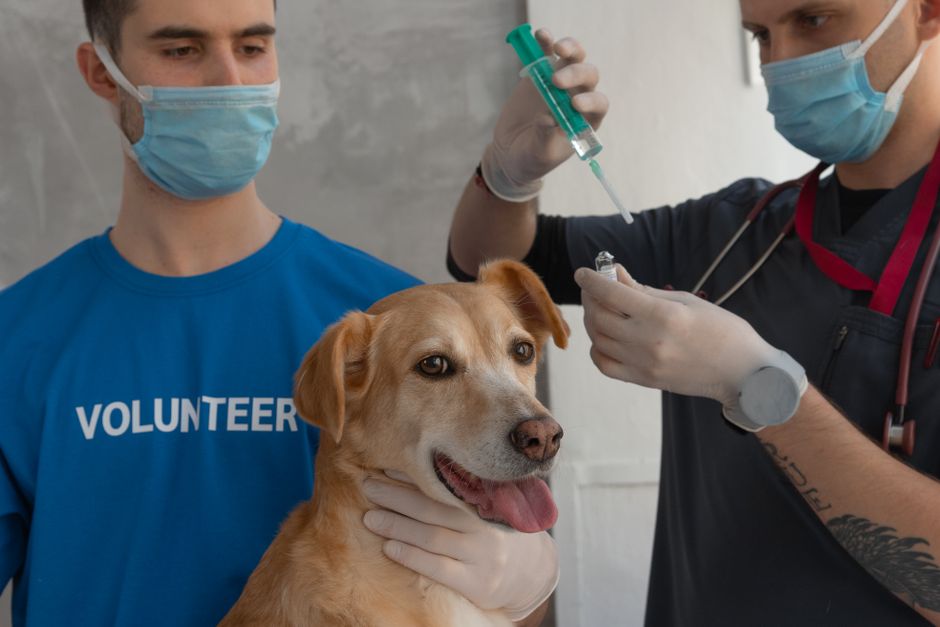
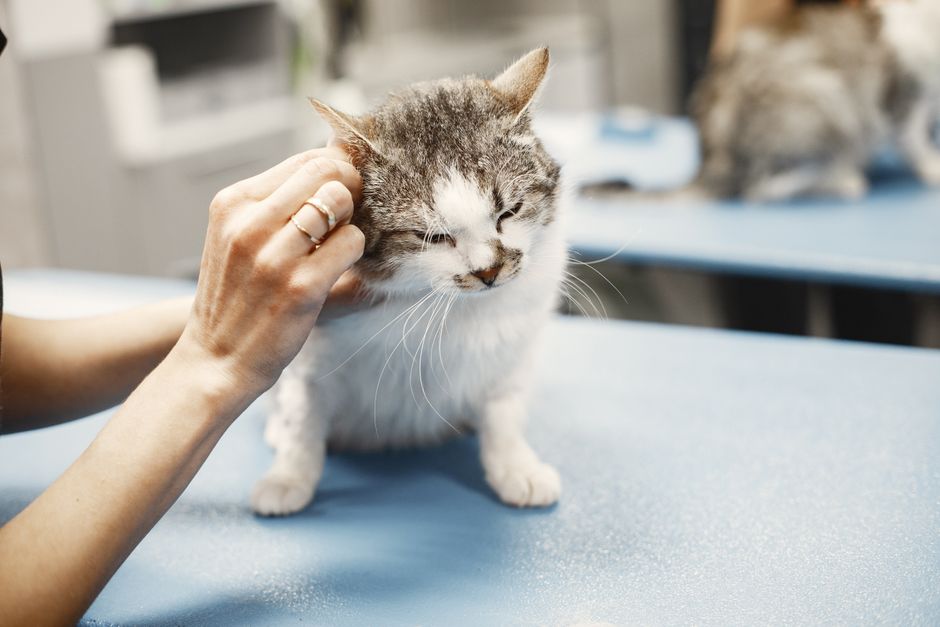
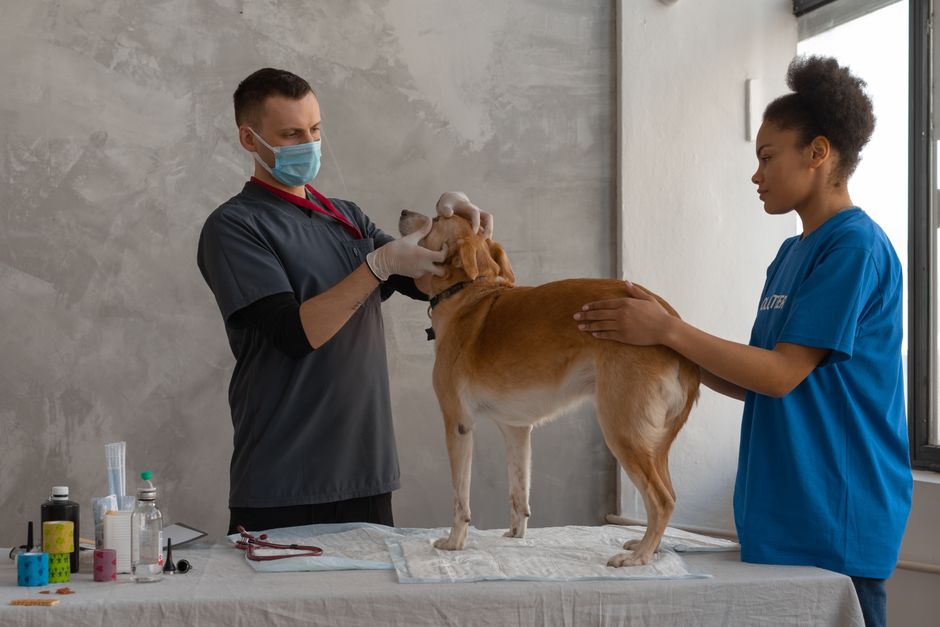
Scheduling a fall checkup at Liberty Veterinary Clinic allows our veterinary team to provide a thorough assessment tailored to your dog or cat’s needs. During a wellness examination, we review your pet’s medical history, check their weight and body condition, and perform a full physical exam. Key areas of focus include checking for fleas and ticks, evaluating skin and coat health, inspecting teeth and gums for signs of dental disease, and listening to the heart and lungs. Our veterinarians may recommend routine bloodwork through our diagnostic laboratory services to screen for underlying issues that can become more noticeable as pets age. Fall is also an ideal time to update core and lifestyle vaccines, perform heartworm testing, and discuss parasite prevention strategies that match your pet’s changing outdoor exposure. If your dog or cat is due for a dental cleaning or has developed signs of oral discomfort, our dental care services can help address these issues before they progress.
Addressing Seasonal Allergies and Skin Issues
Autumn allergies can cause discomfort for both dogs and cats. Symptoms of seasonal allergies include persistent itching, red or inflamed skin, hair loss in certain areas, and frequent licking of the paws or body. Our veterinarians can help identify the cause of these symptoms and recommend management options such as medicated shampoos, antihistamines, or dietary adjustments. For pets with chronic skin conditions, early intervention helps prevent secondary infections and keeps your companion comfortable through the fall.
Monitoring for Weight Gain and Joint Health
As activity levels may decrease with shorter days, some pets are prone to gaining weight as fall begins. Obesity can worsen joint pain and other chronic conditions in both dogs and cats. During your visit, we can provide nutritional counseling to help you adjust your pet’s diet and portion sizes for the new season. For senior pets or those with arthritis, our team may suggest supplements, pain management options, or lifestyle modifications to improve mobility and comfort.
Home Care Tips: Keeping Your Pet Healthy All Autumn
Maintaining your pet’s wellness at home during early fall involves a few simple habits. Consistently check your dog or cat for fleas and ticks after outdoor activities, especially if you visit parks or wooded areas. Wipe your pet’s paws after walks to remove pollen and reduce allergy symptoms. Adjust your pet’s feeding schedule and portions if they are less active, and encourage gentle exercise such as indoor play or shorter walks on chilly mornings. Ensure your pet has a warm, comfortable sleeping area away from drafts as temperatures drop.
Keep in mind that fall is a good time to check the fit and condition of collars, harnesses, and microchips. Pets are more likely to slip out of collars during walks when startled by fallen leaves or neighborhood changes. Confirm that your dog or cat’s microchip information is up to date so you can be reunited quickly if they become lost during autumn outings. For those whose pets are not yet microchipped, our team offers microchipping services to add an extra layer of safety and peace of mind.
When to Visit Liberty Veterinary Clinic: Recognizing When Professional Care Is Needed
Some seasonal changes and minor symptoms can be managed at home, but it is important to know when your pet requires professional attention. Schedule a veterinary visit promptly if your dog or cat exhibits persistent itching, new skin lesions, coughing, sneezing, or nasal discharge that lasts more than a day or two. Other warning signs include limping, reluctance to move, significant changes in thirst or appetite, vomiting, diarrhea, or sudden weight loss. For puppies, kittens, or senior pets, even mild symptoms can escalate quickly, so err on the side of caution.
If your pet is due for routine vaccines, a dental cleaning, or a preventive checkup, early fall is the perfect time to book an appointment before the busy holiday season approaches. Should you notice any sudden changes in your pet’s behavior, or if you are unsure whether symptoms warrant a visit, our team encourages you to call and discuss your concerns. We are always happy to help you make the best decisions for your dog or cat’s wellbeing.
Supporting Your Pet’s Wellness Journey: Why Choose Liberty Veterinary Clinic in Philadelphia
At Liberty Veterinary Clinic, we are committed to serving dogs and cats across Philadelphia and surrounding communities with compassionate, comprehensive care. Our veterinary professionals offer personalized wellness plans, advanced diagnostics, and preventive services to keep your pet healthy year-round. Whether you are seeking guidance on allergies, parasite prevention, nutrition, or behavior, we are here as your trusted resource.
If you are searching for a vet near me who understands the unique challenges of fall in Philadelphia, look no further than Liberty Veterinary Clinic. Schedule your pet’s fall wellness check by calling (215) 483-1066 or visiting us at 8919 Ridge Avenue, Philadelphia, PA 19128. Our team of veterinarians is ready to help your dog or cat enjoy a safe, healthy, and joyful autumn season. To learn more about our wellness care services or to book an appointment, explore our website or contact us today. Your pet’s health and happiness are always our top priority.