Dog Vaccinations Near Me: Essential Shots for Philly Dogs
Dog Vaccinations Near Me: Essential Shots for Philly Dogs
Keeping your dog healthy and protected is a top priority for every pet owner in Philadelphia. With so many potential health risks in an urban environment, understanding which vaccinations your pup needs—and when—is one of the most important steps you can take as a responsible owner. If you have found yourself searching for “dog vaccinations near me,” you are likely looking for trusted, local guidance on how to keep your dog safe from contagious diseases. At Liberty Veterinary Clinic, located at 8919 Ridge Avenue, Philadelphia, PA 19128, our veterinary team is dedicated to making the vaccination process easy, stress-free, and tailored to your dog’s lifestyle. In this comprehensive guide, you will learn which vaccines are essential for Philly dogs, what to expect during your visit, and why Liberty Veterinary Clinic is the trusted choice for dog vaccinations in Philadelphia and surrounding communities.
Recognizing the Importance of Dog Vaccinations in Philadelphia
You may be wondering if your dog really needs all those shots. Understanding the risks that exist in an active city like Philadelphia can help put the value of canine vaccines into perspective. Local dog parks, busy sidewalks, and even your own backyard can expose your pet to dangerous viruses and bacteria. Diseases like parvovirus, distemper, and rabies remain a threat to unvaccinated dogs, especially in densely populated areas.
Common signs that your dog’s vaccine schedule may be overdue include receiving reminders from your veterinarian, noticing that your pup’s dog license renewal requires up-to-date rabies documentation, or realizing you want to enroll your dog in daycare or boarding but cannot provide proof of recent immunizations. Additionally, if your dog frequents popular parks or interacts regularly with other dogs, staying current on vaccinations is essential for their safety. If you are unsure about your dog’s vaccine status, a wellness examination is a great starting point to review their records and create a customized plan.
Why Are Dog Vaccines Necessary?
Vaccines are a critical part of preventive veterinary care, designed to prime your dog’s immune system to fight off specific diseases before they become life-threatening. In urban settings like Philadelphia, where dogs often encounter others in close quarters, the risk of exposure to contagious illnesses is higher than in more rural environments.
There are two main categories of dog vaccines: core and lifestyle (also called non-core). Core vaccines protect against diseases that are widespread, highly contagious, or pose significant public health risks. These include rabies, distemper, parvovirus, and adenovirus. Lifestyle vaccines are recommended based on your dog’s daily activities, travel plans, and risk factors. For example, dogs who attend daycare, boarding, or grooming facilities may need additional protection against kennel cough (bordetella) or canine influenza. Our team stays up to date on regional disease trends and will help you determine the best vaccine protocol for your dog’s unique needs.
Essential Dog Vaccinations: What Your Philly Pup Needs
Core Vaccines for Every Dog
Core vaccines are considered essential for all dogs, regardless of age or lifestyle. In Pennsylvania, rabies vaccination is not only vital for your pet’s safety but also required by law. Distemper, parvovirus, and adenovirus are typically combined into a single injection known as the DHPP or DAPP vaccine. These diseases can cause severe illness, neurological damage, and even death—especially in puppies or unvaccinated adults. Symptoms of these illnesses include vomiting, diarrhea, coughing, lethargy, and seizures. Timely vaccination is the safest, most effective way to prevent these devastating conditions.
Lifestyle Vaccines Based on Risk Factors
Not every dog needs every available vaccine, but many Philadelphia dogs benefit from additional protection. Bordetella, commonly referred to as the kennel cough vaccine, is recommended for dogs who spend time in group settings such as boarding facilities, training classes, or dog parks. Canine influenza is another consideration for social pups, especially when outbreaks have been reported in the region. Leptospirosis, a bacterial disease that can be transmitted through water contaminated by wildlife urine, may be a concern for dogs who hike, swim, or live near bodies of water. Our veterinarians will discuss your dog’s lifestyle and exposures during your visit to determine which of these vaccines are appropriate.
What to Expect During Your Dog’s Vaccination Visit
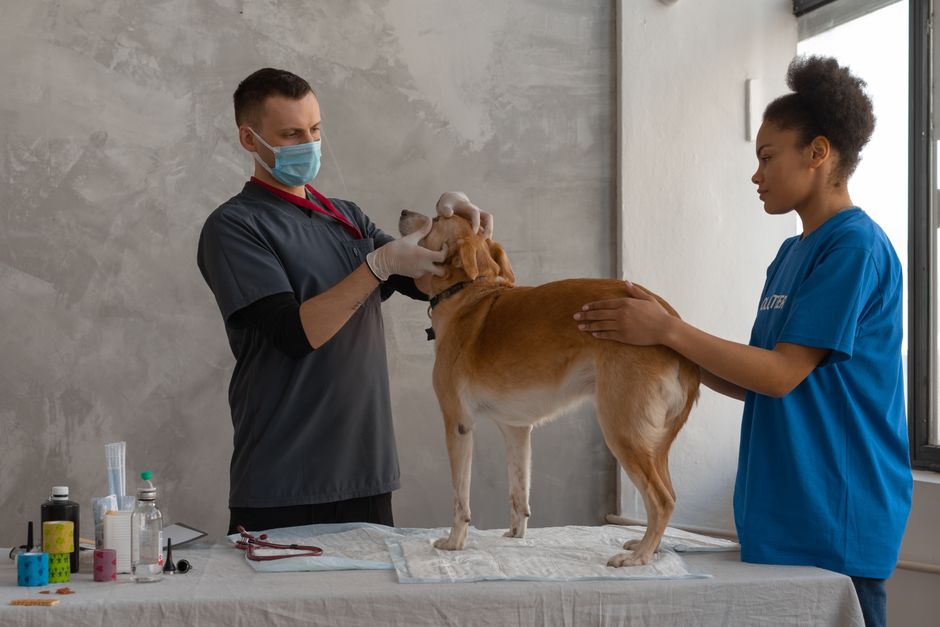
When you bring your dog to Liberty Veterinary Clinic for vaccinations, you can expect a thorough, compassionate approach. The process begins with a review of your dog’s medical history and a physical exam to ensure they are healthy enough for immunizations. Our veterinary team will discuss any questions or concerns you have; whether it is about vaccine safety, possible side effects, or the timing of booster shots.
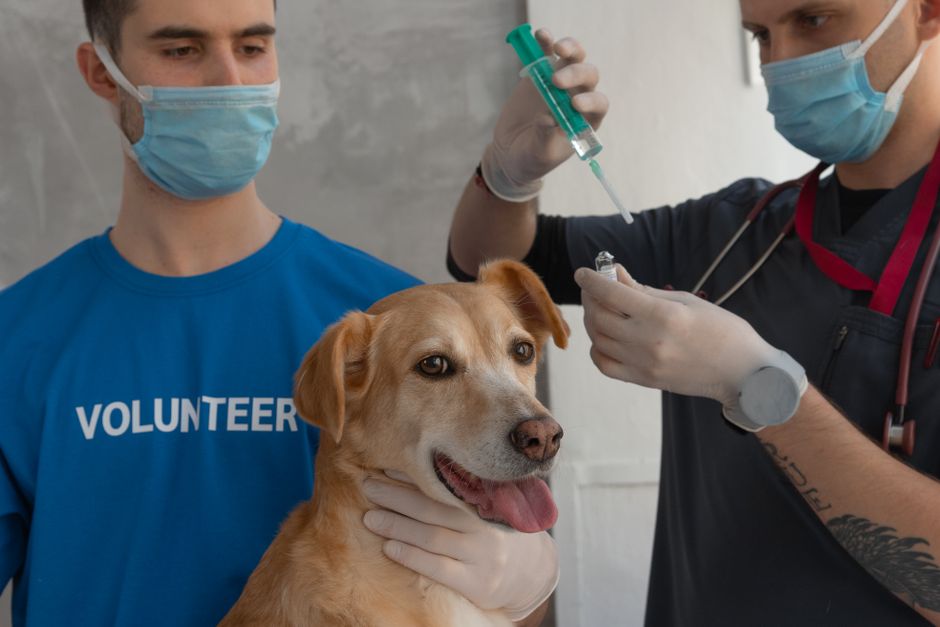
The actual vaccination process is quick and gentle. Most dogs tolerate their injections very well, and our team uses low-stress handling techniques to keep your pup comfortable. Some minor side effects such as mild tenderness at the injection site, mild sleepiness, or a temporary decrease in appetite may occur, but these typically resolve within a day or two. If your dog is receiving multiple vaccines, we may recommend scheduling them over two visits to minimize discomfort. Our team is always available to answer questions or address any concerns you notice after your appointment.
For more details on the types of vaccines available and how we protect your pet, visit our page on pet vaccination services.
How Often Does My Dog Need Vaccinations?
Vaccine schedules are based on your dog’s age, health status, and previous immunization history. Puppies require a series of shots starting at six to eight weeks of age, with boosters given every three to four weeks until they are about sixteen weeks old. Adult dogs transition to annual or triennial boosters, depending on the type of vaccine and your dog’s risk level.
Some vaccines, like rabies, have specific legal requirements for frequency, while others depend on your dog’s exposure risk. Keeping up with regular wellness care ensures that your veterinarian can review your dog’s vaccine records, update necessary boosters, and adjust recommendations based on any changes in lifestyle.
Protecting Your Dog at Home and in the Community
Beyond vaccinations, there are steps you can take at home and out in the community to minimize your dog’s risk of contracting preventable diseases. These include avoiding contact with sick dogs, maintaining good hygiene after visits to parks or communal spaces, and keeping your yard clean and free of standing water that could attract wildlife. Additionally, regular wellness checks help catch any early signs of illness and keep your dog’s immune system strong.
If you plan to travel or enroll your dog in group activities, always check with the organization or facility about their vaccine requirements. Providing up-to-date records ensures your dog and others are protected. Microchipping your dog can also help in the event of separation during emergencies or travel; you can learn more about this service on our microchipping page.
When to Seek Veterinary Care for Vaccine-Preventable Diseases
It is important to know when your dog requires immediate veterinary attention. Signs that may indicate a serious illness include persistent vomiting or diarrhea, severe coughing, difficulty breathing, sudden collapse, or seizures. If your dog develops facial swelling, hives, or severe lethargy within hours of receiving a vaccine, this may indicate an allergic reaction and requires prompt care. While vaccine reactions are rare, our veterinary professionals will discuss what to watch for and how to contact us if you have concerns.
If you encounter any of these warning signs or are worried about your dog’s health, schedule an appointment with our team right away. Our veterinarians are experienced in diagnosing and treating vaccine-preventable diseases, and early intervention can make all the difference in your dog’s recovery.
Why Choose Liberty Veterinary Clinic for Dog Vaccinations Near Me?
Choosing the right veterinary clinic for your dog’s immunizations is about more than convenience; it is about building a partnership focused on your dog’s lifelong health. At Liberty Veterinary Clinic, our team of veterinarians offers a comprehensive approach, combining expert medical knowledge with a genuine passion for animal well-being. We use the latest vaccine protocols, follow American Animal Hospital Association (AAHA) guidelines, and tailor recommendations to each dog’s unique needs and risk factors.
Our clinic is conveniently located at 8919 Ridge Avenue, Philadelphia, PA 19128, making it easy for pet owners in Philadelphia and surrounding communities to access high-quality preventive care. From the first puppy vaccines to lifelong wellness plans, we are here to guide you every step of the way.
Take the Next Step: Schedule Your Dog’s Vaccinations Today
Protecting your dog from preventable diseases is one of the best gifts you can give them—and it starts with timely, expert-led immunizations. If you are searching for reliable “dog vaccinations near me,” Liberty Veterinary Clinic is your trusted partner for safe, effective, and compassionate care. Our veterinary team will help you design a vaccination plan that fits your dog’s lifestyle and keeps them healthy year-round.
Ready to book your dog’s vaccine appointment? Schedule a wellness examination or contact us to discuss vaccination services. If you are looking for a veterinarian near me who truly understands the needs of Philadelphia dogs, our team is here to help. Call us at (215) 483-1066 or visit us at 8919 Ridge Avenue, Philadelphia, PA 19128 to get started on your dog’s path to lifelong wellness.
This article is intended for informational purposes only and should not replace professional veterinary advice. Always consult with your veterinarian to determine the best health care plan for your individual dog.