Cold Weather Health Tips for Philly Dogs and Cats

Cold Weather Health Tips for Philly Dogs and Cats
As autumn gives way to winter in Philadelphia, it's only natural for pet owners to start worrying about how dropping temperatures may affect their beloved dogs and cats. While the city’s first chilly winds can feel invigorating, cold weather brings unique health challenges for pets, whether you’re strolling through Roxborough, relaxing in Manayunk, or enjoying the comfort of your home in Andorra. At Liberty Veterinary Clinic, located at 8919 Ridge Avenue, Philadelphia, PA 19128, our veterinary team understands how seasonal changes can impact your pet’s comfort, skin health, and overall wellbeing. In this blog, we’ll explore November-specific cold weather care tips for dogs and cats, including how to maintain indoor comfort, protect sensitive skin, and adjust nutrition for the winter months. If you’re looking for practical advice to help your pet stay healthy, happy, and safe all season long, you’re in the right place.
We’ll also share guidance on identifying early warning signs of cold-related health issues, explain why pets need extra support as temperatures fall, and outline when it’s time to schedule an appointment for veterinary care. For ongoing seasonal support, our wellness care services at Liberty Veterinary Clinic are designed to keep your pet thriving year-round.
Recognizing Cold Weather Health Issues in Dogs and Cats
Philadelphia’s winters can be unpredictable, with temperatures fluctuating from brisk autumn breezes to freezing rain or even snow. Dogs and cats are susceptible to a variety of cold-induced health problems, and early detection is key to keeping them safe. Common cold weather concerns include hypothermia, frostbite, dry or irritated skin, and seasonal flare-ups of arthritis in older pets.
Key symptoms of cold-related issues range from shivering, lethargy, and reluctance to go outdoors, to excessive grooming or scratching from dry skin. You may notice your dog holding up a paw after walking outside, which can signal discomfort from icy sidewalks or rock salt. Cats might seek out warm nooks or hide more often, attempting to avoid chilly drafts. Other warning signs to watch for include cracked paw pads, flaking skin, dull coats, or a sudden drop in energy levels. If your pet’s behavior changes noticeably during colder months, or if you see persistent symptoms like shivering or limping, it’s time to consider a professional evaluation.
Why Cold Weather Affects Pets in Philadelphia
Understanding why Philadelphia’s cold weather can be tough on dogs and cats starts with knowing how pets regulate their body temperature. Unlike humans, pets can’t simply throw on a heavier coat or crank up the thermostat. While some breeds are better equipped for the cold thanks to thick fur, many companion animals—especially short-haired breeds, seniors, puppies, and kittens—are vulnerable to low temperatures.
Urban pets face additional seasonal hazards, such as exposure to ice-melting chemicals, salt on sidewalks, and reduced time outdoors for exercise. Indoor heating systems can dry out the air, leading to flaky or itchy skin. The city’s wind tunnels and damp conditions also intensify the chill, making even quick walks a challenge for some pets. Furthermore, the shorter days and longer nights can alter activity patterns, potentially affecting everything from your pet’s mood to their metabolism.
Managing and Treating Cold Weather Health Issues
When cold weather affects your pet, timely action and proper treatment make all the difference. If your dog or cat experiences mild discomfort, like dry skin or minor paw irritation, home care and over-the-counter solutions may be appropriate. However, for ongoing symptoms or more severe issues, professional veterinary care is essential.
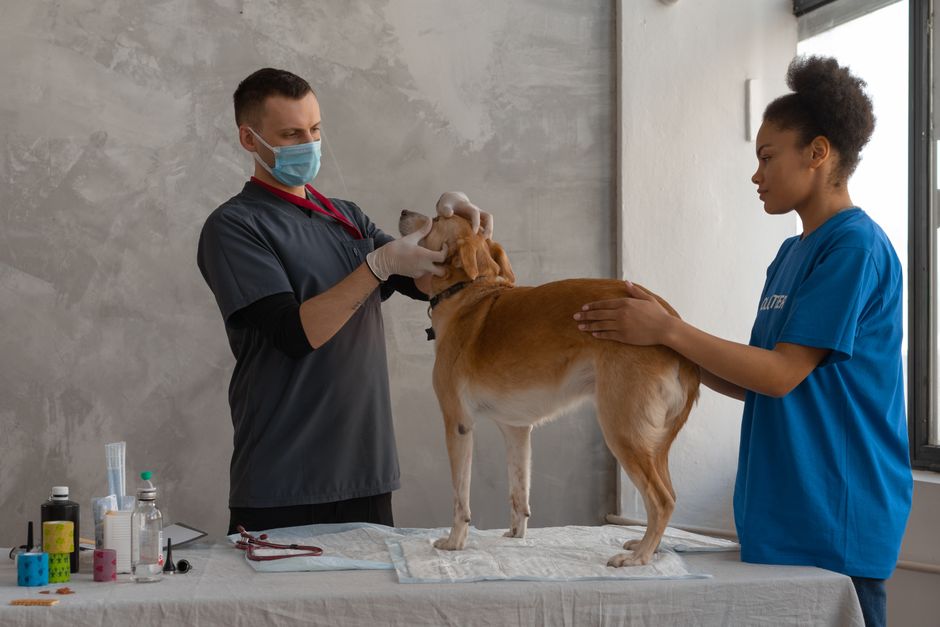
During a pet wellness examination, our veterinary professionals will evaluate your pet’s overall health, check for underlying conditions such as arthritis or thyroid problems, and assess their skin, coat, and body condition. Treatments for cold weather health issues can involve topical moisturizers for dry skin (always use pet-safe products), medicated shampoos to soothe irritation, and prescription pain relief for arthritic pets. If frostbite or hypothermia is suspected, rapid intervention is critical, as these conditions can become life-threatening without prompt care.
For pets with sensitive paws, our team may recommend protective booties or waxes that shield against salt and cold surfaces. We also provide guidance on safe indoor activities to help pets maintain a healthy weight and stay mentally stimulated during months when outdoor exercise is limited.
Preventing Cold Weather Problems: Home Care and Seasonal Adjustments
There’s plenty pet owners can do at home to protect dogs and cats from the harshest effects of winter. Start by ensuring your home is draft-free in areas where your pet sleeps or spends most of their time. Placing cozy beds away from windows and using blankets can help keep your pet warm. For cats, consider heated beds or safe heating pads, and make sure litter boxes are in warm, accessible locations.
When heading outdoors, limit the duration of walks during the coldest parts of the day and dry your dog thoroughly after exposure to rain or snow. Wiping down paws removes salt, ice, and chemicals that can irritate skin or be ingested during grooming. For pets prone to dry or flaky skin, a humidifier can help restore moisture to indoor air, and an omega-3 supplement (as advised by your veterinarian) may support skin and coat health.
Nutrition is also a key part of cold weather care. Some pets may need minor adjustments to their diet to maintain a healthy weight as activity levels change. Always consult your veterinarian before making dietary changes, especially if your pet has a chronic condition or is a senior. For more comprehensive guidance, our wellness care services include seasonal nutrition consultations tailored to your pet’s needs.
When to Seek Veterinary Care During the Winter
Knowing when to call your veterinarian can make a crucial difference for your pet’s comfort and safety in cold weather. Seek professional help if your dog or cat exhibits persistent shivering, sudden lameness, reluctance to move or go outside, open sores or wounds on the skin, or any signs of hypothermia such as confusion, weakness, or collapse. Pets with chronic medical conditions like diabetes, kidney disease, or arthritis may need more frequent check-ins during the winter months.
If you notice changes in your pet’s appetite, water intake, or bathroom habits, these can also signal underlying health concerns exacerbated by cold weather. For urgent symptoms that arise outside of normal clinic hours, Liberty Veterinary Clinic provides information on trusted after-hours resources, but for most seasonal concerns, scheduling a regular appointment is the best step. Our pet wellness examinations are designed to catch problems early and provide peace of mind throughout the winter.
Keeping Philly’s Dogs and Cats Healthy and Happy All Winter
Keeping your dog or cat healthy through Philadelphia’s cold season doesn’t have to be daunting. By recognizing the signs of cold weather health issues, making simple changes to your home environment, and seeking veterinary advice when needed, you can ensure your pet stays comfortable and safe. Remember, the team of veterinarians at Liberty Veterinary Clinic is here to support you with seasonal guidance, preventive care, and prompt medical attention as needed.
If you have questions about your pet’s winter wellbeing or need to schedule a wellness examination, contact Liberty Veterinary Clinic at (215) 483-1066 or visit us at 8919 Ridge Avenue, Philadelphia, PA 19128. When searching for a veterinarian near me, you can trust our experienced veterinary professionals to provide personalized, compassionate care for dogs and cats in Philadelphia and surrounding communities. Let’s work together to keep your pet warm, healthy, and happy all winter long.
This article is intended for informational purposes only and does not replace professional veterinary care. If your pet is experiencing severe symptoms or a medical emergency, contact your veterinarian immediately.