Cat Vaccinations Near Me: What Philly Owners Should Know
Cat Vaccinations Near Me: What Philly Owners Should Know
If you are searching for cat vaccinations near me in Philadelphia, you are not alone. Many area cat owners want to protect their feline companions from contagious diseases, but it can be confusing to know which vaccines are essential, when to schedule them, and why timely immunization matters. At Liberty Veterinary Clinic, located at 8919 Ridge Avenue, Philadelphia, PA 19128, our team of veterinarians is dedicated to making preventive care straightforward and stress-free for you and your cat. In this guide, you will learn about the core and recommended cat vaccines, the ideal vaccination schedule, and how staying up-to-date supports both your cat’s health and public safety. We will also share tips for local cat owners and explain how to schedule your cat’s next vaccination appointment at Liberty Veterinary Clinic. Whether you live in Philadelphia or the surrounding communities, our veterinary professionals are here to help you make informed decisions about your cat's wellbeing. If you are ready to start, or simply want to learn more about our vaccination services, this guide is for you.
Why Cat Vaccinations Matter: Recognizing the Problem
Vaccines play an essential role in protecting your cat from diseases that can be severe, costly to treat, or even fatal. Many of these illnesses spread rapidly among unvaccinated animals, especially in urban environments like Philadelphia where cats may come into contact with strays or wildlife. Cat owners may not always recognize the risk, especially if their feline spends most of its time indoors. However, even indoor cats can be exposed to viruses and bacteria through open windows, visits to the vet, or simply by sharing space with humans who have encountered other animals. Key diseases such as rabies, feline panleukopenia (distemper), feline viral rhinotracheitis, and calicivirus are highly contagious and can affect both kittens and adult cats. Additionally, some of these conditions are zoonotic; this means they can potentially be transmitted to humans, making vaccination a public health priority as well.
As a cat owner, it is important to watch for signs that your cat may not be fully protected. If you have recently adopted a kitten, moved to a new area, or your adult cat’s vaccination records are unclear or out of date, your cat could be vulnerable. Symptoms of vaccine-preventable diseases vary, but may include sudden fever, lethargy, sneezing, coughing, mouth ulcers, vomiting, diarrhea, neurological changes, or even unexplained aggression in the case of rabies. If your cat displays any of these symptoms, or if you are unsure about your cat’s vaccination status, it is time to consult your veterinarian.
Understanding Cat Vaccines: Core and Lifestyle Considerations
Not all vaccines are the same; some are considered “core” for every cat, while others are recommended based on lifestyle and risk factors. The American Association of Feline Practitioners (AAFP) and our veterinarians recommend core vaccines for all cats, regardless of whether they live indoors or outdoors. These core vaccines include rabies, feline panleukopenia (FPV), feline herpesvirus-1 (FHV-1, also known as viral rhinotracheitis), and feline calicivirus (FCV). These vaccines provide protection against the most widespread and dangerous diseases affecting cats today.
In addition to core vaccines, there are “non-core” or lifestyle vaccines that may be recommended based on your cat’s habits and environment. For example, the feline leukemia virus (FeLV) vaccine is strongly advised for kittens and any cat that spends time outdoors or lives in multi-cat households. Bordetella and Chlamydia vaccines may also be suggested for cats in shelters or boarding facilities. During your cat’s wellness examination, our veterinary team will assess your cat’s unique risk factors and make personalized recommendations.
The Cat Vaccination Schedule: When and How Often to Vaccinate
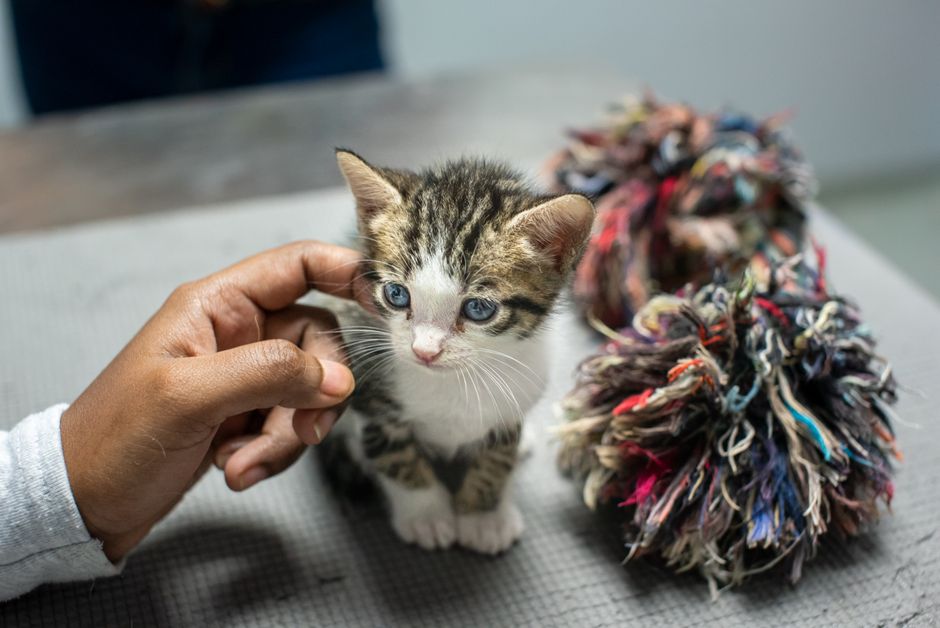
Timing is critical when it comes to protecting your cat from disease. Kittens require a series of vaccines beginning as early as six to eight weeks of age, with boosters every three to four weeks until they are about 16 weeks old. This schedule ensures your kitten develops a robust immune response, as maternal antibodies naturally fade. After the initial kitten series, most vaccines require a booster at one year of age, followed by boosters every one to three years depending on the specific vaccine and your cat’s risk profile.
For adult cats with unknown or lapsed vaccination histories, our veterinarians recommend a restart series to ensure full protection. Rabies vaccination is mandated by Pennsylvania law for all cats three months of age and older, with regular boosters required to maintain legal compliance. Keeping up with scheduled boosters is not just a matter of health; it is also a legal responsibility for all cat owners in Philadelphia.
If you have questions about your cat’s vaccination history or are unsure when your cat is due for the next vaccine, our team can help you review records and create a personalized vaccination plan. Scheduling regular wellness care appointments makes it easy to stay on track.
How Cat Vaccines Work: Safety, Efficacy, and What to Expect
Vaccines help your cat’s immune system recognize and fight off dangerous pathogens before they can cause illness. Modern veterinary vaccines are rigorously tested for safety and effectiveness, and adverse reactions are rare. Most cats experience no side effects, although some may show mild lethargy, slight swelling at the injection site, or a brief decrease in appetite for a day or two. Severe reactions such as facial swelling, vomiting, or difficulty breathing are extremely rare, but should be reported to your veterinarian immediately.
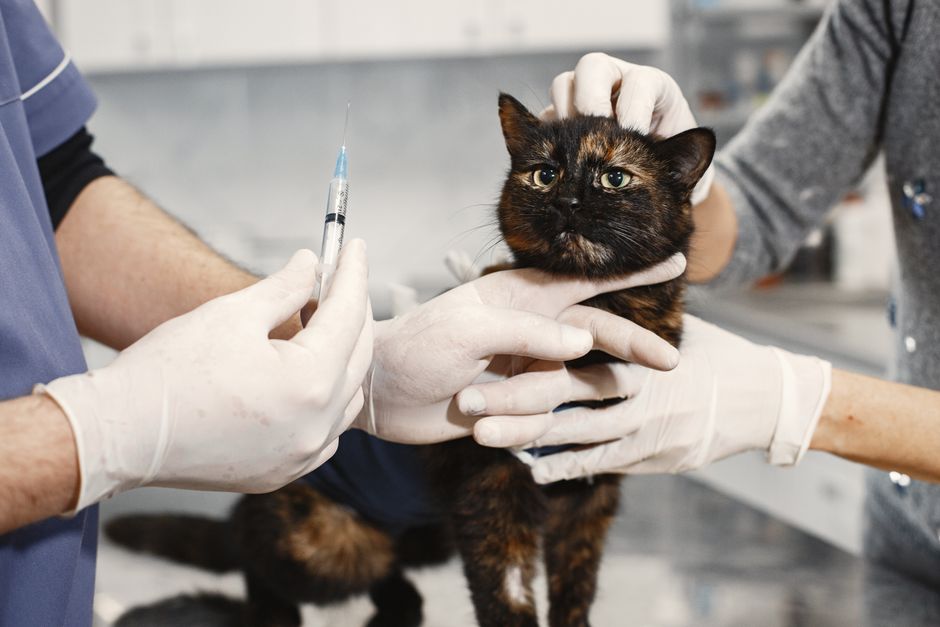
When you bring your cat to Liberty Veterinary Clinic for pet immunizations, our veterinarians will perform a thorough health check before administering any vaccines. This visit is an opportunity for us to discuss your cat’s lifestyle, answer questions, and address any concerns you may have about vaccine safety. We always use high-quality vaccines and follow best practices to maximize efficacy while minimizing stress for your cat.
Preventing Disease at Home: Steps for Cat Owners
Vaccination is the cornerstone of disease prevention, but there are additional steps you can take to support your cat’s health. Keeping your cat indoors reduces exposure to infectious agents, but even indoor cats benefit from being vaccinated, as some diseases can be brought indoors unintentionally. Maintaining a clean litter box, providing fresh water and nutritious food, and minimizing contact with stray or unknown animals all contribute to your cat’s wellbeing.
Regular veterinary check-ups are essential, even if your cat seems healthy. At each visit, our veterinarians will review your cat’s vaccination status, monitor for early signs of illness, and discuss any changes in your cat’s behavior or environment that may affect their risk level. Microchipping your cat can also provide peace of mind in case your cat ever gets lost; our team offers pet microchipping services as part of comprehensive preventive care.
When to Seek Veterinary Care: Protecting Your Cat’s Future
Certain situations call for immediate veterinary attention. If your cat is overdue for vaccines, has never been vaccinated, or you are unsure about their vaccination status, it is best to schedule an appointment as soon as possible. Additionally, if your cat shows symptoms such as sudden weakness, difficulty breathing, persistent vomiting or diarrhea, or neurological changes like disorientation or aggression, contact your veterinarian promptly.
Our veterinary team at Liberty Veterinary Clinic is here to support you through every stage of your cat’s life. We recommend starting kitten vaccines early, maintaining boosters throughout adulthood, and keeping a clear record of each vaccination. If cost or scheduling is a concern, talk with our team; we can help you prioritize core vaccines and find a plan that works for your household.
Cat Vaccinations Near Me: Choosing the Right Veterinary Partner in Philadelphia
Finding the right provider for cat vaccinations near me is about more than just convenience; it is about building a relationship with a trusted local veterinary team that puts your cat’s health first. At Liberty Veterinary Clinic, our veterinarians take the time to get to know you and your cat, offer clear explanations, and deliver compassionate, evidence-based care at every visit. Our clinic’s location at 8919 Ridge Avenue, Philadelphia, PA 19128 makes us easily accessible for families throughout Philadelphia and nearby neighborhoods. We offer flexible scheduling for routine wellness visits, as well as urgent care when unexpected needs arise.
When searching for a veterinarian near me, look for a clinic that emphasizes preventive care, transparent communication, and ongoing support. Our team at Liberty Veterinary Clinic is passionate about partnering with cat owners to keep Philadelphia’s feline population healthy and protected.
Take the Next Step: Schedule Your Cat’s Vaccinations Today
Your cat’s health and safety are too important to leave to chance. Staying current with vaccinations is one of the simplest and most effective ways to protect your feline companion from preventable diseases. If your cat is due for vaccines, or you want to review your cat’s immunization schedule, we encourage you to reach out to our veterinary professionals for guidance.
To schedule a vaccination appointment or comprehensive wellness examination, contact Liberty Veterinary Clinic at (215) 483-1066 or visit us at 8919 Ridge Avenue, Philadelphia, PA 19128. For more details about our vaccination services or to learn about other preventive care options, explore our dedicated page on pet immunizations. Our team is committed to providing exceptional care for your cat, so you can feel confident every step of the way. If you are searching for cat vaccinations near me, let Liberty Veterinary Clinic be your trusted local resource for feline health in Philadelphia and the surrounding communities.
This article is for informational purposes only and should not replace professional veterinary advice. Always consult with your veterinarian regarding your cat’s specific health needs.