April Dental Care Tips for Philly Cats and Dogs

April Dental Care Tips for Philly Cats and Dogs
Spring brings a fresh start to our routines in Philadelphia, and it’s the perfect time to give special attention to your pet’s dental health. Whether you have a playful puppy, a senior cat, or anything in between, caring for your pet’s teeth is crucial for their overall comfort and well-being. At Liberty Veterinary Clinic, located at 8919 Ridge Avenue, Philadelphia, PA 19128, our team of veterinarians is dedicated to helping pet owners in Philadelphia and surrounding communities keep their dogs and cats healthy throughout every season.
In this comprehensive guide, you’ll learn how to spot signs of dental trouble in your pet, understand what causes dental disease, discover how our veterinary team treats common dental issues, and receive practical tips for at-home dental care. We’ll also cover when it’s time to schedule a dental checkup or cleaning at Liberty Veterinary Clinic. If you’re wondering how to support your pet’s oral health as the weather warms up, you’re in the right place.
Recognizing Dental Problems in Cats and Dogs
Many pet owners are surprised to learn that dental disease is one of the most common health issues affecting both cats and dogs. Unfortunately, our pets can’t tell us when something is wrong with their teeth or gums, so it’s important to know what to look for at home.
Common signs of dental trouble in pets include persistent bad breath, visible tartar or yellow-brown buildup on the teeth, red or bleeding gums, and reluctance to eat hard food or chew on toys. You might also notice your pet dropping food while eating, pawing at the mouth, or even vocalizing when they chew. In some cases, changes in behavior—such as decreased activity or hiding—can also indicate dental discomfort, especially in cats.
For dog owners, a decrease in interest in chew toys or favorite treats may be an early warning sign. Cat owners might observe their feline friends eating less or favoring one side of the mouth. If you notice any of these symptoms, it’s time to consider a professional evaluation, as untreated dental disease can lead to significant pain and even affect your pet’s heart, liver, and kidneys.
Why Do Pets Develop Dental Disease?
Dental disease in pets is primarily caused by the buildup of plaque, which hardens into tartar if not removed through regular cleaning. Plaque forms when bacteria in the mouth mix with food particles and saliva, sticking to the teeth along the gumline. Over time, this creates an environment where harmful bacteria can thrive, leading to inflammation and infection.
Several factors contribute to the development of dental issues in pets. Diet plays a significant role; pets that eat mostly soft or wet food without regular dental chews or brushing are at increased risk. Certain breeds, especially small or toy breed dogs and some purebred cats, tend to have crowded teeth or other anatomical features that make them more susceptible to dental disease. Age is another important factor, with older pets more likely to develop dental problems.
Additionally, genetics and underlying health conditions, such as diabetes or immune system disorders, can impact your pet’s oral health. Regular checkups with your veterinarian help catch these issues early and allow for personalized recommendations to keep your pet’s mouth healthy.
Professional Dental Treatments at Liberty Veterinary Clinic
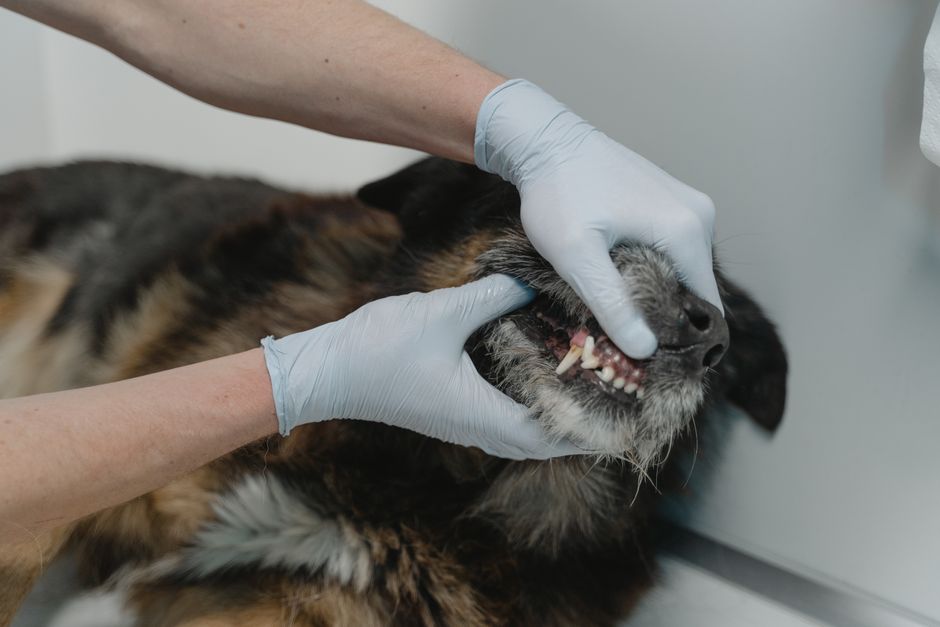
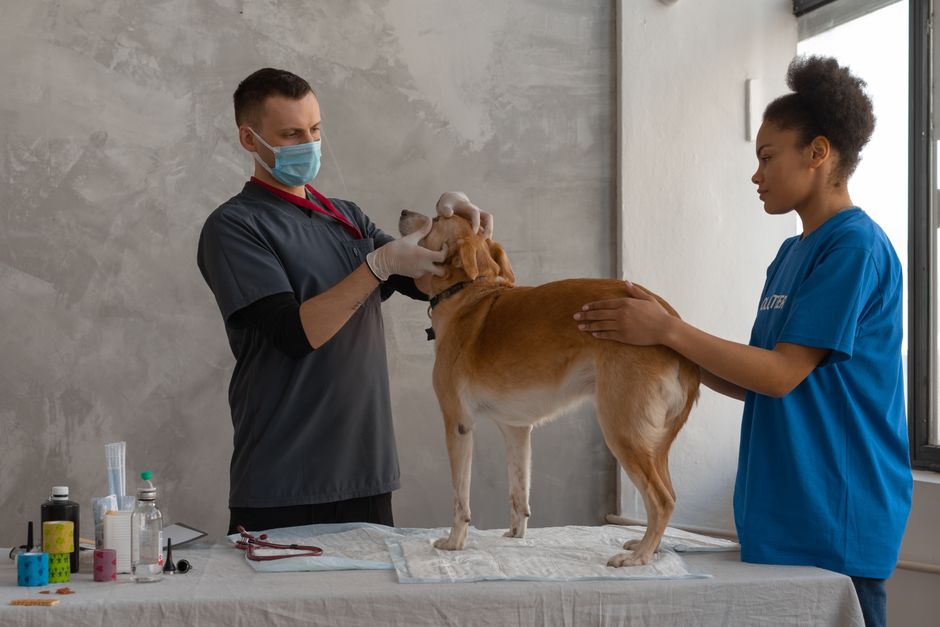
When dental disease is suspected or diagnosed, professional veterinary care is essential to restore your pet’s comfort and prevent more serious health issues. At Liberty Veterinary Clinic, our veterinary team offers a full range of dental services for cats and dogs, including thorough oral exams, dental cleanings, dental X-rays, and tooth extractions when necessary.
A comprehensive dental cleaning for your pet involves a complete oral examination under anesthesia, followed by scaling to remove plaque and tartar from both above and below the gumline. In many cases, dental radiography is used to detect hidden problems such as tooth root abscesses or bone loss. You can learn more about our dental X-ray (radiography) services for pets and how they help us provide the most accurate diagnosis and effective treatment.
If damaged or infected teeth are found, our veterinarians may recommend pet tooth extraction services to relieve pain and prevent ongoing infection. We always prioritize your pet’s comfort and safety throughout any dental procedure, using the latest technology and gentle techniques.
Regular professional cleanings, tailored to your pet’s specific needs, are the best way to manage existing dental disease and maintain oral health for the long term.
At-Home Dental Care: Building Healthy Habits This Spring
While professional dental care is essential, what you do at home makes a big difference in your pet’s oral health. Establishing a dental care routine this spring can help prevent the buildup of plaque and tartar, reducing the risk of gum disease and tooth loss.
Brushing your pet’s teeth is the gold standard for at-home dental care. Using a pet-safe toothbrush and toothpaste, try to brush your dog or cat’s teeth daily or at least several times per week. Start slowly, allowing your pet to become comfortable with the process, and reward them with praise or a favorite treat after each session.
In addition to brushing, dental diets, water additives, and dental chews can support oral hygiene. Look for products approved by the Veterinary Oral Health Council (VOHC), as these have been shown to reduce plaque and tartar. For pets who are resistant to brushing, dental wipes or gels may be a helpful alternative.
Monitor your pet’s mouth regularly for changes such as swelling, discoloration, or broken teeth. If you notice anything unusual, contact your veterinarian for advice. Remember, preventive care at home works best when paired with regular veterinary checkups and professional cleanings.
When to Schedule a Veterinary Dental Checkup
Knowing when to seek professional help is key to keeping your pet healthy and comfortable. Schedule a dental checkup if you notice bad breath that doesn’t improve, visible tartar, red or bleeding gums, loose or broken teeth, difficulty eating, or any signs of oral pain.
Even if your pet seems healthy, routine dental exams are recommended at least once a year, or more frequently for older pets or those with a history of dental disease. Early intervention can prevent serious complications and help your pet maintain a healthy mouth for years to come.
If you have questions or concerns about your pet’s dental health, our veterinary professionals at Liberty Veterinary Clinic are here to help. We also provide professional dental cleaning services for cats and dogs in Philadelphia and surrounding communities, ensuring your pet receives the highest standard of care.
Supporting Your Pet’s Smile: Local Expertise You Can Trust
Your pet’s dental health is an important part of their overall well-being, and spring is the ideal time to renew your commitment to their oral care. By recognizing the signs of dental disease, understanding the causes, and taking proactive steps at home, you help ensure your dog or cat enjoys a comfortable, happy life.
At Liberty Veterinary Clinic, our team of veterinarians is dedicated to providing compassionate, comprehensive dental care for pets throughout Philadelphia and the surrounding neighborhoods. Whether your pet needs a dental checkup, cleaning, X-ray, or more advanced treatment, we’re here to support you every step of the way.
If you’re searching for a veterinarian near me who truly understands the unique needs of your cat or dog, look no further than our experienced veterinary professionals. To schedule an appointment or discuss your pet’s dental health, call us at (215) 483-1066 or visit us at 8919 Ridge Avenue, Philadelphia, PA 19128. For more details about our dental services, explore our professional dental cleaning services for cats and dogs or dental repair services for pets.
Every pet deserves a healthy smile—let us help yours shine this spring and beyond. If you ever have concerns about your pet’s dental health or need urgent care, always consult with a veterinarian. For emergencies, our emergency and urgent care for pets page can provide further guidance.
Disclaimer: The information in this blog is for educational purposes only and does not replace professional veterinary advice. Always consult your veterinarian for an accurate diagnosis and personalized recommendations.